


If you want to stop the skin-crawling feeling, the first step is understanding why it happens. Opioids can disrupt normal nerve signaling, creating sensations that feel unsettling or even overwhelming. A medical professional can help you identify the root cause and guide you toward safe, effective relief.
If you’ve ever felt like invisible bugs are crawling under your skin while taking or withdrawing from opioids, you’re experiencing what medical professionals call formication. This unsettling sensation can make skin feel as though it’s alive with movement, creating an overwhelming urge to scratch or pick at it.
While formication can stem from various medical, psychological, or substance-related causes, opioid use and withdrawal are among the most common triggers. This comprehensive guide will help you understand why opioids cause a skin-crawling sensation and provide you with four proven strategies to find relief.
What Does the “Skin-Crawling Feeling” (Formication) Mean?
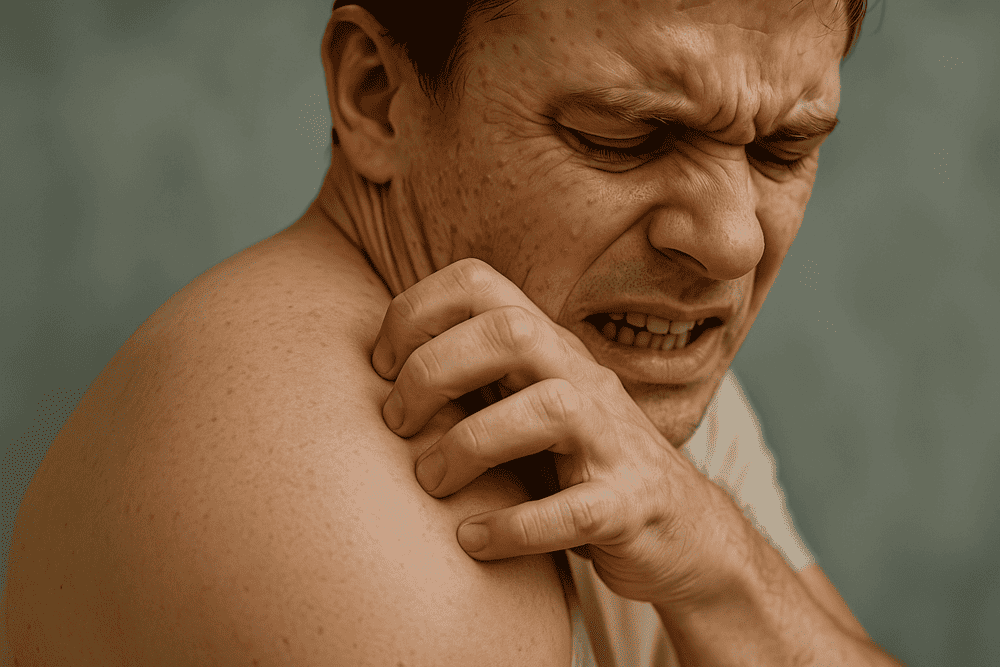
Formication is a tactile hallucination that creates the distinct sensation of insects crawling on or under your skin when nothing is actually there. The name originates from the Latin word “formica,” meaning “ant,” as many people describe the feeling as similar to ants marching across their body. This phenomenon falls under a broader category of sensory disturbances called paresthesias.
Unlike regular itching, this feels more like movement beneath the skin’s surface. People experiencing this condition often describe it as bugs, worms, or even electrical currents moving through their tissue. The sensation can be so convincing that many individuals spend hours examining their skin or scratching until they create visible wounds.
Formication from opioids typically occurs during two distinct phases: active drug use and withdrawal. During opioid use, the drug’s interaction with your nervous system can trigger these abnormal sensations. However, the symptoms often become more pronounced during withdrawal as your body attempts to readjust to functioning without the substance.
The intensity of the skin-crawling sensation varies significantly between individuals. Some people experience mild tingling, while others endure severe, persistent feelings that interfere with sleep and daily activities. The duration can range from a few hours to several weeks, depending on factors like the type of opioid used, duration of use, and individual physiology.
Causes of Opioid-Induced Formication
Several opioids can trigger formication, though some are more likely culprits than others. Prescription medications like oxycodone, hydrocodone, morphine, and fentanyl frequently cause this side effect. Street drugs like heroin are particularly notorious for causing intense skin-crawling sensations during both use and withdrawal phases.
The mechanism behind opioid-induced formication involves the drug’s impact on your CNS. Opioids bind to specific receptors in your brain and spinal cord, altering how pain and sensory signals are processed. This disruption can create false signals that your brain interprets as movement or crawling sensations on your skin.
For example, codeine itching and formication often occur together because both stem from the same neurological disruption. When codeine metabolizes into morphine in your body, it can trigger histamine release, leading to both itching and the crawling sensation. This combination creates a particularly uncomfortable experience that many users find difficult to ignore.
Withdrawal intensifies these sensations because your nervous system becomes hyperactive as it adjusts to the absence of opioids. During this phase, formication withdrawal symptoms can become so severe that they interfere with recovery efforts, leading some people to relapse just to stop the uncomfortable sensations.
Why Do Opioids Cause Skin-Crawling Sensation?
Opioids can trigger a skin-crawling sensation by disrupting the chemical balance that regulates nerve signaling, causing the nerves responsible for skin sensation to fire abnormally.
The relationship between opioid dependency and formication lies in how these drugs fundamentally alter your brain’s chemistry. When you take opioids regularly, your brain reduces its natural production of endorphins and other neurotransmitters that regulate sensation and mood. This creates a chemical imbalance that can manifest as abnormal skin sensations.
Opioids also affect your body’s histamine response, which plays a crucial role in how you perceive touch and sensation. When histamine levels become dysregulated due to opioid use, your skin may become hypersensitive, interpreting normal nerve activity as crawling or tingling sensations. This explains why opioid withdrawal itching often accompanies formication.
Your peripheral nervous system, which controls sensation in your arms, legs, and torso, becomes particularly vulnerable to these disruptions. Opioid side effects on nerve function can persist even after the drug leaves your system.
Moreover, the severity of formication depends on many factors, such as drug type, route, and individual neurobiology. However, it can correlate with the degree of opioid addiction. People who have used opioids for longer periods or in higher doses typically experience more intense skin-crawling sensations. This occurs because prolonged exposure leads to more severe neurochemical imbalances that take longer to resolve.
Recovery from opioid-induced formication requires your nervous system to recalibrate itself. Therefore,tingling and itching during withdrawal serve as signs that your body is working to restore normal function. However, this adjustment period can be uncomfortable and may last several weeks or even months without proper treatment.
Is Itchiness and Formication the Same?
Itchiness and formication are not the same; they’re distinctly different sensations with separate underlying mechanisms.
Namely, itching typically involves a surface-level irritation that creates the urge to scratch a specific area. Formication, however, feels like movement occurring deeper within the tissue, creating a more complex and disturbing sensation.
Heroin itching represents the classic itching response, usually triggered by histamine release when the drug enters your system. This type of itching often affects specific areas and can be temporarily relieved by scratching. On the other hand, formication creates a sensation of movement that scratching cannot adequately address.
The timing of these symptoms also differs significantly. Itching may occur both during drug use and withdrawal, but formication tends to be more prominent during withdrawal phases. When your body lacks the opioid it has become dependent on, your hypersensitive nervous system can create the illusion of insects crawling on or under your skin.
How to Stop Skin-Crawling Feeling: 4 Effective Strategies
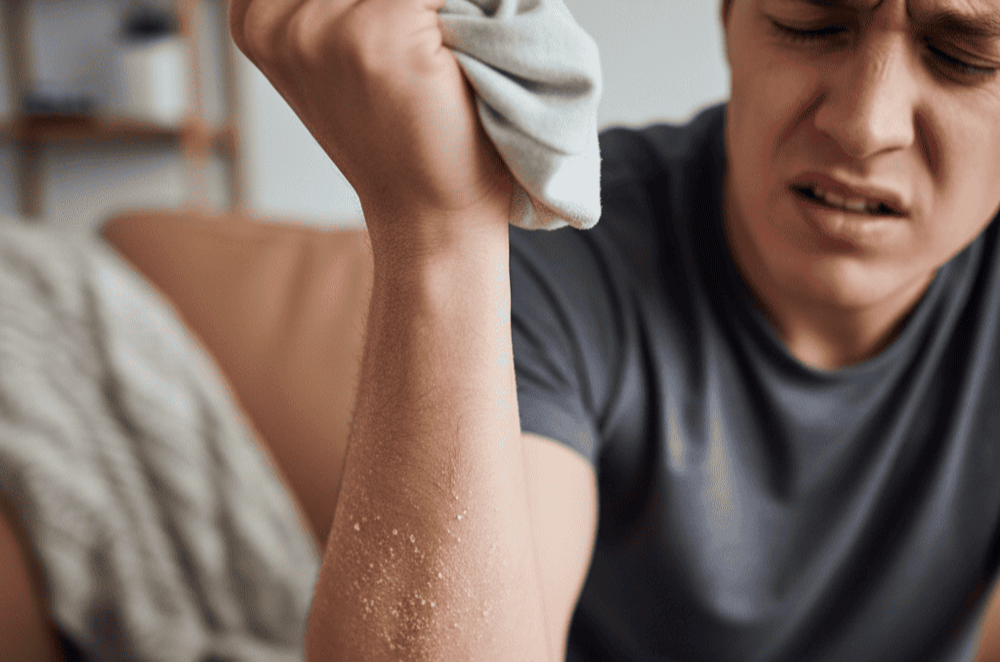
Here are some proven strategies that can help you stop the skin-crawling feeling caused by opioid use:
#1. Immediate Relief Strategies
Cold therapy can provide instant relief for formication symptoms. Apply ice packs wrapped in thin towels to affected areas for 10-15 minutes at a time. The cold numbs nerve endings and can temporarily interrupt the false signals, creating the crawling sensation. Alternatively, cool showers or baths can provide whole-body relief, though avoid extremely cold water, which might shock your system.
Furthermore, distraction techniques prove surprisingly effective for managing formication. Engaging in activities that require mental focus, such as puzzles, video games, or detailed crafts, can redirect your brain’s attention away from the uncomfortable sensations.
Topical treatments containing menthol, camphor, or lidocaine can also provide temporary numbing effects. Over-the-counter creams designed for nerve pain often contain these ingredients and may offer relief; however, avoid excessive application, as overuse can sometimes worsen symptoms or cause skin irritation.
#2. Medical Interventions
Healthcare providers can prescribe medications that specifically target the neurological causes of formication. Anticonvulsants, such as gabapentin or pregabalin, help stabilize nerve activity and reduce abnormal sensations by calming overactive nerve signals that cause the crawling feeling.
Antidepressants, particularly those affecting serotonin and norepinephrine, can also help manage formication symptoms. These medications address both the physical sensations and any accompanying anxiety or depression that might worsen the experience.
Moreover, topical prescription medications, including certain anesthetics or anti-inflammatory compounds, can provide targeted relief for specific areas. Some providers also recommend antihistamines to address histamine-related components of the sensations, though these tend to be more effective for itching than true formication.
#3. Long-Term Solution: Treating the Root Cause
The most effective way to permanently resolve opioid-induced formication is by addressing the underlying opioid dependence through comprehensive medical treatment. Traditional detox programs often only address surface-level symptoms without correcting the neurochemical imbalances that cause formication.
Accelerated Neuro-Regulation (ANR) is an approach that specifically targets the root cause of opioid-induced neurological symptoms. This innovative treatment works by resetting your brain’s opioid receptors to their pre-dependence state, effectively eliminating the chemical imbalance responsible for formication and other withdrawal symptoms.
By modulating the opioid-receptor system back to its original state, this treatment eliminates both the physical dependence and the uncomfortable sensations that accompany withdrawal.
#4. Lifestyle and Supportive Measures
Stress management plays a crucial role in controlling formication symptoms because stress can amplify abnormal nerve sensations. Regular meditation, deep breathing exercises, or yoga can help calm your nervous system and reduce the intensity of crawling sensations. Even simple relaxation techniques practiced for 10-15 minutes daily can provide noticeable benefits.
Also, maintaining proper hydration and nutrition supports your nervous system’s recovery process. Dehydration can worsen nerve-related symptoms, so aim for adequate water intake throughout the day. B-complex vitamins, particularly B12 and folate, support nerve health and may help reduce formication symptoms over time.
Sleep hygiene becomes especially important when dealing with skin-crawling sensations that can disrupt sleep. Therefore, you should create a cool, comfortable sleeping environment and establish consistent bedtime routines.
Dangers of Ignoring Opioid-Induced Formication
Dismissing formication as a minor inconvenience can lead to serious complications that extend far beyond temporary discomfort.
The constant urge to scratch or pick at your skin can result in significant tissue damage. Many people with severe formication develop open wounds, infections, or permanent scarring from repetitive scratching. These physical injuries can become serious medical problems requiring additional treatment and potentially leaving lasting marks on your skin.
Opioid detox complications often worsen when formication remains unaddressed, and the severe discomfort can undermine recovery efforts. This leads people to resume opioid use just to stop the sensations and creates a dangerous cycle where the fear of experiencing formication becomes a barrier to successful treatment and recovery.
Some more key dangers of ignoring formication include:
- Increased relapse risk
- Wounds, infections, and scarring caused by excessive scratching
- Sleep disruption
- Mental health deterioration
The psychological impact shouldn’t be underestimated either, as living with constant, unexplained sensations can increase anxiety levels and contribute to depression. Some people become socially isolated because they feel embarrassed about their symptoms or worry that others won’t understand their experience.
Final Thoughts
Managing the skin-crawling feeling from opioids requires understanding that formication is a legitimate neurological symptom, not simply psychological discomfort. The sensation results from opioid-induced changes to your nervous system and can persist long after stopping drug use without proper intervention.
Immediate relief strategies like cold therapy and distraction techniques can provide temporary comfort, but lasting resolution requires addressing the underlying neurochemical imbalance. Medical interventions, including prescription medications and comprehensive treatment programs, offer the most effective path to permanent relief.