
ANR vs Rapid Detox:
Which Treatment is Superior
Accelerated Neuro-Regulation (ANR) is an innovative treatment that targets the root cause of opioid dependence by re-regulating the endorphin-receptor system. In contrast, rapid detox is a medical procedure that speeds up the elimination of opioids. ANR is not rapid detox, and there are plenty of differences between these two opioid dependency treatment approaches.


Key Takeaways

What Is Rapid Detox, and How Does It Work?
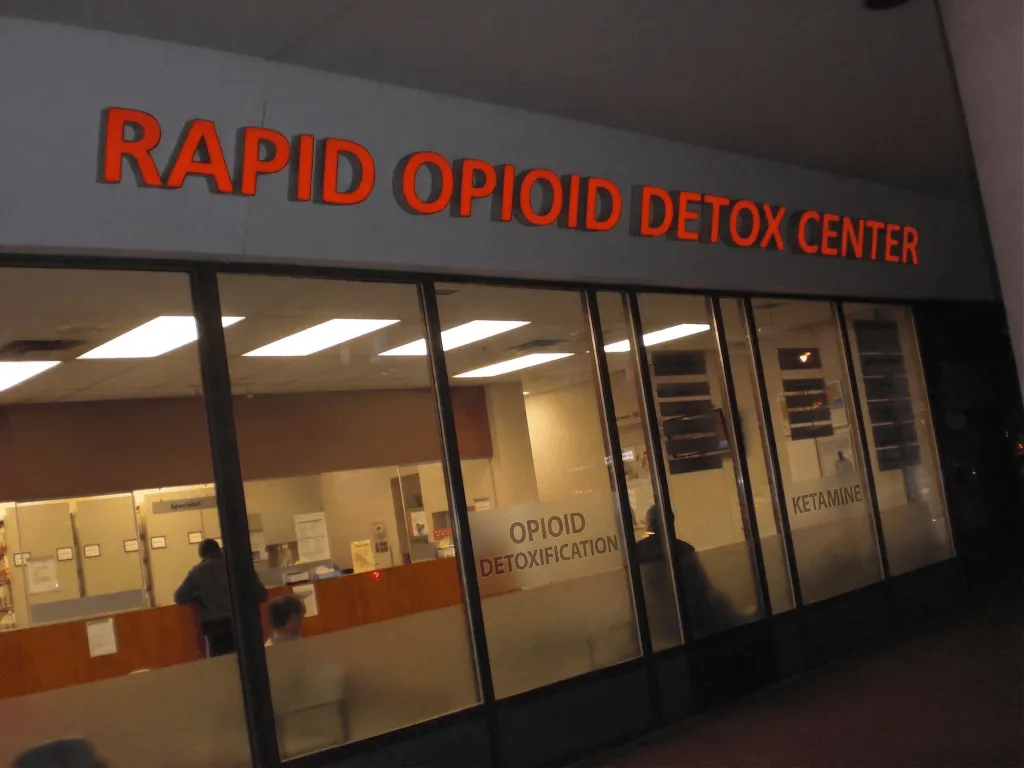
Rapid detox — also known as ultra-rapid opioid detox (UROD) or anesthesia-assisted rapid opioid detoxification (AAROD) — is a medical procedure that uses an opioid antagonist, such as naloxone, to rapidly clear opioids from the body while the patient is under general anesthesia. The entire process, including hospitalization, typically lasts no more than 48 hours.
Rapid detox centers typically follow this protocol:
- Pre-procedure medical evaluation
- Administration of opioid antagonists under anesthesia (2–6 hours)
- Post-procedure monitoring (24–48 hours, settings vary)
- Discharge with aftercare recommendations
When rapid detox emerged in the 1990s, it represented a significant departure from cold-turkey methods and offered hope for a less traumatic withdrawal experience.
Despite being marketed as a painless, fast-track solution to opioid dependence, rapid detox carries serious risks and has significant limitations. On the safety side, the procedure is associated with potentially life-threatening adverse events, including cardiac arrest. On the efficacy side, it addresses only opioid clearance — not the underlying neurochemical changes that drive opioid use disorder (OUD).
For patients researching their options today, this raises a logical next question: if rapid detox doesn't address the underlying neurobiological cause of dependency, what does?
What Is ANR Treatment?
Dr. Andre Waismann pioneered rapid detox in the 1990s. As thousands of patients underwent the procedure, patterns became clear: while rapid detox successfully removed opioids from the body, it did not address the underlying neurobiological changes that drive dependency.
Patients would complete rapid detox opioid-free, yet many relapsed within weeks. The procedure provided symptom relief without treating the biological root: the dysregulated endorphin–opioid receptor system.
Recognizing these fundamental limitations, Dr. Waismann discontinued rapid detox and spent years developing a treatment that would address what rapid detox left untreated: endorphin–opioid receptor restoration.
The ANR Approach
ANR addresses opioid dependency through a comprehensive medical treatment designed to restore the central nervous system to its pre-dependency state:
- Preparation — Pre-procedure clinical evaluations are individualized to medical history, drug use patterns, and co-morbidities
- Regulation — The core procedure (4–6 hours under sedation in an accredited ICU) where endorphin–opioid receptor modulation occurs while withdrawal is medically managed. The patient does not experience withdrawal.
- Stabilization — Three days of post-discharge in-person follow-ups. Discomfort during this phase represents healing, not illness—similar to recovery from surgery.
- Optimization — 6–12 months of continued improvement supported by naltrexone (non-addictive, no dependency) to consolidate receptor restoration.
Learn more about ANR treatment or explore the advantages of ANR Treatment.
across multiple countries
and research
before hospital discharge
ANR is the only treatment that restores the brain's endorphin–receptor balance — addressing the cause, not just the symptoms. Explore the advantages of ANR Treatment.
ANR vs. Rapid Detox at a Glance
| Criteria | ANR Treatment | Rapid Detox |
|---|---|---|
| Therapeutic Goal | Treat the root cause of opioid dependence | Remove opioids from the body |
| Root Cause Treatment | Yes — repairs neurobiological changes | No — ignores brain changes |
| Cravings After Treatment | Eliminated at the source | Persist and often intensify |
| Withdrawal Experience | Managed under sedation; resolved | Triggered under anesthesia; returns after |
| Relapse risk | 9 out of 10 patients opioid-free long-term | 64% relapse within 1 month (Forozeshfard et al.) |
| Treatment Approach | Individualized to patient history | One-size-fits-all |
| Setting | Accredited hospital ICU only | Varies — often non-ICU |
| Medical Team | Board-certified anesthesiologists | Standards vary significantly |
| Replacement Drugs | None required | Often required post-procedure |
| Safety Record | Exceptional — 30+ years, peer-reviewed | CDC-documented deaths and severe events |

ANR vs Rapid Detox: Comparing Costs
Undergoing opioid addiction treatment can be a major financial investment; the last thing you want is for it to go to waste. However, one thing you should keep in mind when choosing between ANR vs. rapid detox is that the price of an opioid treatment program doesn't always reflect its value.
Although some rapid detox centers may offer the treatment at a hefty price, it doesn't make it any safer. It still comes with considerable health risks and doesn't guarantee lifelong recovery.
Medical procedures, especially in the US, can be quite costly, reflecting the high standards of care, expertise, and safety required. If a procedure is offered at an unusually low price or a clinic provides a price match, it's important to be cautious. Often, such pricing indicates that there might be compromises on quality and safety.
Whether you choose a more affordable or pricier rapid detox treatment, there's a high probability you'll relapse and need to undergo the treatment once again. This isn't the case with the ANR treatment, as it negates the risk of relapse. Therefore, it is a much better investment than rapid detox.
What's Included in ANR Treatment Cost
- Pre-admission preparation appointments
- In-patient hospitalization in accredited facility
- 24/7 care and monitoring by expert medical staff
- Personalized procedure and treatment plan
- Private room
- Follow-up appointments after discharge

ANR is classified as an elective procedure, meaning it is a non-emergency service requiring scheduling and payment in advance. Neither federal health insurance programs, such as Medicare or Medicaid, nor commercial insurance companies currently cover the cost of the ANR opioid dependency treatment.
Explore Financing OptionsRisks and Safety Concerns with Rapid Detox
Rapid detox comes with considerable risks and safety concerns, such as severe withdrawal symptoms, side effects, complications, relapse, and even death.
Since it removes opioids without acknowledging and addressing the neurobiological causes of opioid dependence, it doesn't eliminate withdrawal symptoms, including cravings. In fact, people often experience amplified withdrawal symptoms after the procedure, increasing the risk of relapse.
Relapse after rapid detox is particularly dangerous. Due to lowered opioid tolerance, people may overdose on opioids simply by taking their usual dose.
A report by the Centers for Disease Control and Prevention suggests that AAROD is very dangerous. 5 of 75 patients who underwent AAROD in 2012 experienced severe complications requiring hospitalization, such as sepsis, suicidal ideation, pulmonary edema, electrolyte abnormalities, and cardiac arrest. Worse yet, two patients died shortly after the treatment.
Documented side effects of rapid detox include:
Moreover, rapid detox may make it difficult for people with insulin-dependent diabetes to manage glucose levels. A study by researchers from Columbia University found that anesthesia-assisted detox can lead to not only pulmonary edema and suicidal ideation but also diabetic ketoacidosis.
Why Rapid Detox Is Used Less Often Today
In recent years, rapid detox has become less popular. It is no longer performed as widely as it used to be due to the lack of effectiveness, safety risks, and advances in opioid dependence treatment. Simply put, rapid detox is considered outdated by today's standards.

Ineffectiveness
Rapid detox is not a comprehensive opioid addiction treatment. While it compresses the withdrawal process into several hours, it does nothing to tackle the root of opioid dependence. Most patients relapse within months, and some undergo this dangerous procedure multiple times only to relapse again.
Safety Risks and Concerns
Beyond effectiveness, rapid detox carries documented safety risks that have made it indefensible by today's standards. Adverse events range from severe post-procedure withdrawal and overdose-on-relapse to cardiac arrest, pulmonary edema, sepsis, and patient deaths. Lack of standardization across facilities means safety varies widely from one clinic to another — with patients bearing the cost.
Advances in Opioid Dependence Treatment
Today, better, more effective, and safer alternatives exist. While medication-assisted treatment (MAT) is one popular alternative, it requires long-term reliance on replacement drugs. ANR stands out as the only treatment that focuses on the root of opioid dependence instead of its symptoms.
Why ANR Emerged as Rapid Detox's Successor
After pioneering rapid detox in the 1990s, Dr. Andre Waismann watched a consistent pattern emerge: patients left opioid-free but relapsed within weeks because the procedure never repaired the dysregulated endorphin–opioid receptor system driving their dependence.
ANR was developed to treat what rapid detox left untreated — restoring neurobiological balance rather than simply clearing opioids from the body. Performed exclusively in accredited hospital ICUs with board-certified physicians, it represents the clinical evolution of Dr. Waismann's decades of work in opioid dependence treatment.
Learn how ANR treatment works or review the safety and outcomes data behind ANR.
Frequently Asked Questions
We understand you may have many questions. Here are answers to the most common ones.

What are the side effects of rapid detox from opioids?
'%3e%3cpath%20d='M7.99967%2014.6668C11.6816%2014.6668%2014.6663%2011.6821%2014.6663%208.00016C14.6663%204.31826%2011.6816%201.3335%207.99967%201.3335C4.31778%201.3335%201.33301%204.31826%201.33301%208.00016C1.33301%2011.6821%204.31778%2014.6668%207.99967%2014.6668Z'%20stroke='%238a9bae'%20stroke-width='1.33333'%20stroke-linecap='round'%20stroke-linejoin='round'/%3e%3cpath%20d='M6.05957%205.99989C6.21631%205.55434%206.52567%205.17863%206.93287%204.93931C7.34008%204.7%207.81883%204.61252%208.28435%204.69237C8.74988%204.77222%209.17211%205.01424%209.47629%205.37558C9.78046%205.73691%209.94694%206.19424%209.94624%206.66656C9.94624%207.99989%207.94624%208.66656%207.94624%208.66656'%20stroke='%238a9bae'%20stroke-width='1.33333'%20stroke-linecap='round'%20stroke-linejoin='round'/%3e%3cpath%20d='M8%2011.3335H8.00667'%20stroke='%238a9bae'%20stroke-width='1.33333'%20stroke-linecap='round'%20stroke-linejoin='round'/%3e%3c/g%3e%3cdefs%3e%3cclipPath%20id='clip0_21396_3666'%3e%3crect%20width='16'%20height='16'%20fill='white'/%3e%3c/clipPath%3e%3c/defs%3e%3c/svg%3e)

Common side effects of the rapid detox procedure include nausea, vomiting, fever, and anxiety as the body reacts to opioids being cleared rapidly under anesthesia. More seriously, rapid detox has been linked to potentially life-threatening adverse events, including pulmonary edema and cardiac arrest.
Can rapid detox cause liver damage?
Rapid detox can potentially cause liver damage, as it places significant stress on the liver. As a general rule, rapid detox is not recommended for those with impaired liver function.
What is the recovery time after undergoing ANR treatment?
ANR treatment involves a total hospital stay of around 36 hours; patients are monitored overnight and typically discharged the next day. Recovery itself continues after discharge: most patients are back to normal daily activity within a few days, while the body's endorphin–opioid receptor balance keeps restabilizing in the weeks that follow. For lasting results, follow our team's guidance and make the recommended lifestyle changes.
Does ANR treatment really work?
ANR treatment really works—we have close to 25,000 success cases and dozens of testimonials demonstrating our success. The basis for ANR’s success lies in its therapeutic goal: ANR achieves neuro-equilibrium by fixing the endorphin-receptor imbalance, facilitating long-lasting recovery without ongoing withdrawal symptoms.
How does the ANR treatment work?
The ANR treatment works by restoring the body to balance. It modulates the central nervous system to decrease the production of opioid receptors. At the same time, it allows the brain to resume normal endorphin production and removes unnecessary opioids.
How can I get started with ANR?
You can get started with ANR simply by contacting us and booking a free, 100% confidential consultation. Should you have any questions or concerns, do not hesitate to reach out to us—we'll be happy to help.
Is rapid detox the same as ANR treatment?
No. The two procedures share one surface similarity — both use anesthetic agents — and that's where the resemblance ends. Rapid detox removes opioids from the body. ANR goes further: it restores the brain chemistry that opioid use disrupted, returning the nervous system to its pre-dependency state. Dr. Andre Waismann pioneered rapid detox in the 1990s, then discontinued it after watching too many patients relapse within weeks. ANR is what he developed to treat what rapid detox left untreated.
What is the success rate of rapid detox?
Clinical studies show significant variation in rapid detox outcomes. A randomized clinical trial by Forozeshfard et al. found 85% of rapid detox participants relapsed within six months, with 64% relapsing within just one month. Success rates depend heavily on the facility's safety standards, post-procedure support, and whether the treatment addresses the biological root of dependency.
Does insurance cover rapid detox or ANR?
Neither rapid detox nor ANR is typically covered by Medicare, Medicaid, or commercial health insurance, as both are classified as elective procedures. Some patients use health savings accounts (HSAs) or flexible spending accounts (FSAs) to pay for treatment. ANR Clinic offers financing options to help make treatment accessible.
Ready to choose a treatment that addresses the root cause — not just the symptoms?
Book a free, confidential consultation with our medical team.
'%3e%3cpath%20d='M14.6669%2011.2802V13.2802C14.6677%2013.4659%2014.6297%2013.6497%2014.5553%2013.8198C14.4809%2013.9899%2014.3718%2014.1426%2014.235%2014.2681C14.0982%2014.3937%2013.9367%2014.4892%2013.7608%2014.5487C13.5849%2014.6082%2013.3985%2014.6303%2013.2136%2014.6136C11.1622%2014.3907%209.19161%2013.6897%207.46028%2012.5669C5.8495%2011.5433%204.48384%2010.1777%203.46028%208.56689C2.3336%206.8277%201.63244%204.84756%201.41361%202.78689C1.39695%202.60254%201.41886%202.41673%201.47795%202.24131C1.53703%202.06589%201.63199%201.90469%201.75679%201.76797C1.88159%201.63126%202.03348%201.52203%202.20281%201.44724C2.37213%201.37245%202.55517%201.33374%202.74028%201.33356H4.74028C5.06382%201.33038%205.37748%201.44495%205.62279%201.65592C5.8681%201.86689%206.02833%202.15986%206.07361%202.48023C6.15803%203.12027%206.31458%203.74871%206.54028%204.35356C6.62998%204.59218%206.64939%204.8515%206.59622%205.10081C6.54305%205.35012%206.41952%205.57897%206.24028%205.76023L5.39361%206.60689C6.34265%208.27592%207.72458%209.65786%209.39361%2010.6069L10.2403%209.76023C10.4215%209.58099%2010.6504%209.45746%2010.8997%209.40429C11.149%209.35112%2011.4083%209.37053%2011.6469%209.46023C12.2518%209.68593%2012.8802%209.84248%2013.5203%209.92689C13.8441%209.97258%2014.1399%2010.1357%2014.3513%2010.3852C14.5627%2010.6348%2014.6751%2010.9533%2014.6669%2011.2802Z'%20stroke='%23F58B6E'%20stroke-width='1.33333'%20stroke-linecap='round'%20stroke-linejoin='round'/%3e%3c/g%3e%3cdefs%3e%3cclipPath%20id='clip0_21396_3490'%3e%3crect%20width='16'%20height='16'%20fill='white'/%3e%3c/clipPath%3e%3c/defs%3e%3c/svg%3e)
*ANR Clinic. U.S. program outcome data. Follow-up on approximately 1,700 patients treated since 2019, evaluated one year after treatment.