


Tramadol interactions with other substances can trigger serious, sometimes fatal complications. Be it antidepressants or over-the-counter cold medicines, mixing this medication with the wrong drug or substance can lead to seizures, respiratory failure, or serotonin syndrome.
This article will help you learn what drugs you must avoid when using tramadol, how to recognize a dangerous interaction, and what the best ways to prevent such situations are.
Common Drug Interactions with Tramadol
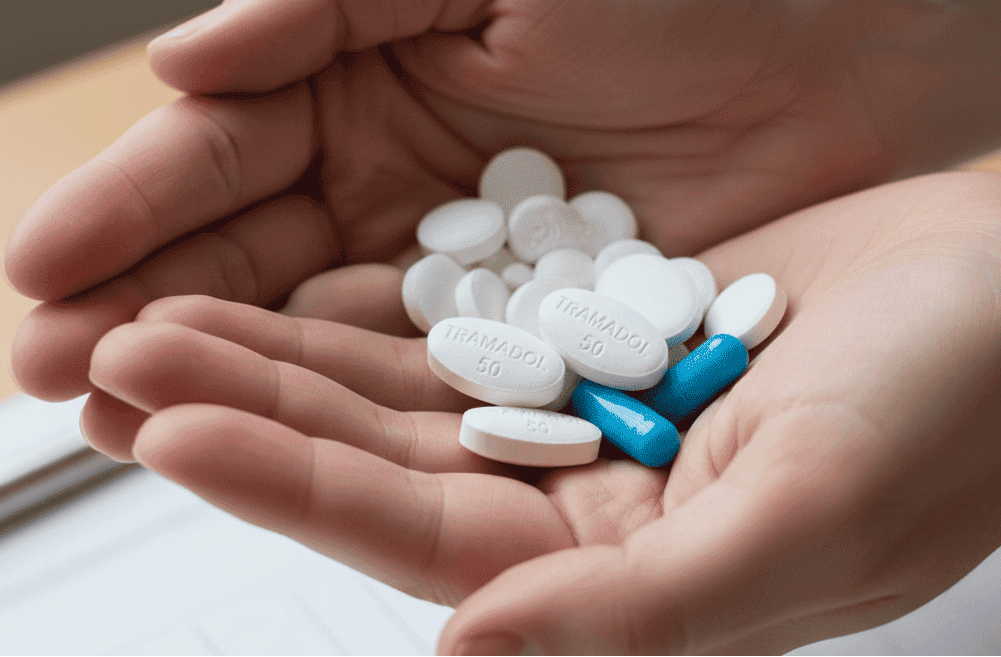
Tramadol doesn’t mix well with other medications. Given that it affects both opioid receptors and neurotransmitters like serotonin and norepinephrine, it can create dangerous chemical reactions when combined with certain medications.
Let’s break down the most critical interactions you need to know about:
#1. Antidepressants (SSRIs, SNRIs, MAOIs)
One of the most dangerous tramadol interactions involves antidepressants, particularly selective serotonin reuptake inhibitors (SSRIs). These include fluoxetine (Prozac), sertraline (Zoloft), and escitalopram (Lexapro), as well as serotonin-norepinephrine reuptake inhibitors (SNRIs) such as venlafaxine (Effexor) and duloxetine (Cymbalta).
The problem is that both tramadol and these antidepressants increase serotonin levels in the brain. When taken together, they can cause tramadol serotonin syndrome, a potentially life-threatening condition characterized by confusion, rapid heart rate, high blood pressure, dilated pupils, muscle rigidity, and in severe cases, seizures or loss of consciousness.
Furthermore, monoamine oxidase inhibitors (MAOIs) like phenelzine and tranylcypromine are even riskier; they can amplify tramadol’s effects to dangerous levels, sometimes causing fatal reactions.
Watch out for early warning signs, such as agitation, sweating, tremors, rapid heartbeat, or fever. If you experience any of these while taking tramadol with antidepressants, seek medical attention immediately; never assume mild symptoms will pass on their own.
#2. Other Opioids and CNS Depressants
Combining tramadol with other opioids, such as oxycodone, hydrocodone, morphine, or fentanyl, might seem redundant, but it’s far worse than that. This combination dramatically increases the risk of respiratory depression, where breathing becomes so shallow that oxygen levels drop dangerously low.
The same goes for central nervous system (CNS) depressants, including benzodiazepines (Xanax, Valium, Ativan), sedatives, muscle relaxants, and sleep aids like Ambien. When tramadol and benzodiazepines mix, the sedative effects multiply, slowing brain activity to dangerous levels.
Moreover, mixing tramadol and alcohol can also be lethal. Alcohol is a CNS depressant, and when you add it to tramadol, you’re doubling down on respiratory suppression and extreme sedation, so even a single drink can bring you closer to an opioid overdose.
#3. Antipsychotics and Seizure-Threshold-Lowering Drugs
Tramadol lowers your seizure threshold, which means it makes you more susceptible to such issues, especially at higher doses or when combined with other medications with the same effect.
Therefore, antipsychotics like haloperidol, quetiapine (Seroquel), and chlorpromazine can increase this risk. This also applies to antibiotics, tricyclic antidepressants like amitriptyline, and stimulants used for ADHD such as Adderall or Ritalin. Even some herbal supplements can contribute to the problem.
Furthermore, if you have a history of epilepsy, head trauma, or any condition that affects brain activity, tramadol might not be the safest choice for pain management. Therefore, it’s essential to discuss alternatives with your doctor before filling that prescription.
#4. Antibiotics and Antifungals
Certain antibiotics and antifungals can interfere with how your body metabolizes tramadol, either making it dangerously potent or completely ineffective.
Macrolide antibiotics like erythromycin and clarithromycin, as well as antifungals such as ketoconazole and itraconazole, inhibit liver enzymes that break down tramadol. This means the drug stays in your system longer and builds up to toxic levels.
On the flip side, antibiotics like rifampin can speed up tramadol metabolism, reducing its pain-relieving effects and potentially triggering opioid withdrawal symptoms if you’re already dependent. So, if you’re prescribed an antibiotic or antifungal while taking tramadol, double-check with your pharmacist.
#5. OTC Drugs
Over-the-counter medications seem harmless, but they’re not always safe with tramadol. Nonsteroidal anti-inflammatory drugs (NSAIDs) like ibuprofen and naproxen are generally okay when taken as directed, but they can increase the risk of gastrointestinal bleeding, especially if you’re taking tramadol long-term.
Cold and flu medications are trickier, as many contain dextromethorphan, a cough suppressant that also affects serotonin levels. Combined with tramadol, it can contribute to serotonin syndrome. Antihistamines like diphenhydramine (Benadryl) add to tramadol’s sedative effects, increasing drowsiness and impairing coordination.
Even acetaminophen (Tylenol) needs caution since some tramadol formulations already contain acetaminophen (like Ultracet), and doubling up can lead to liver damage. Therefore, always read labels carefully and keep track of what you’re taking.
Signs of Dangerous Tramadol Interaction
Recognizing the symptoms of a dangerous tramadol interaction early can be lifesaving. Let’s see what they are:
- Serotonin syndrome is a major concern. Early symptoms include agitation, confusion, rapid heart rate, high blood pressure, dilated pupils, muscle twitching or rigidity, heavy sweating, diarrhea, and fever. In severe cases, it can progress to seizures, loss of consciousness, or death. This condition requires immediate medical intervention.
- Respiratory depression is another critical emergency. Watch for slow or shallow breathing (fewer than 10 breaths per minute), bluish lips or fingernails, extreme drowsiness, difficulty waking up, or confusion. If someone taking tramadol becomes unresponsive, call emergency services immediately, since this could be an overdose.
Other warning signs include:
- Seizures (especially if you have no prior history)
- Severe dizziness or fainting
- Hallucinations
- Unusual behavior
- Chest pain
- Difficulty urinating.
Even seemingly minor symptoms like persistent nausea, vomiting, or unexplained fatigue shouldn’t be ignored if they develop after starting a new medication alongside tramadol. When in doubt, get help: contact your doctor, head to urgent care, or call emergency services.
Who Is Most at Risk for Tramadol Interactions?

Here are the groups that are most at risk of tramadol interactions:
- People with opioid use disorder (OUD). If you’re already taking other opioids or have a history of opioid dependence, adding tramadol to all that increases the risk of overdose.
- Elderly patients. Older adults metabolize medications more slowly, which makes them more vulnerable to dangerous drug interactions and Tramadol side effects. Kidney and liver function decline with age, which means tramadol stays in the system longer.
- Individuals with mental health conditions. If you’re taking antidepressants or antipsychotics, you’re already at risk for serotonin syndrome or seizures. The combination can be volatile, especially if doses are adjusted without careful monitoring.
- People with liver and kidney disease. These organs are responsible for processing and eliminating tramadol. When they’re not functioning properly, drug levels can build up to toxic concentrations.
- Those taking multiple medications (polypharmacy). The more prescriptions you’re juggling, the higher the chance of interactions. This is especially common among people managing chronic conditions like diabetes, heart disease, or chronic pain.
- Anyone with a history of seizures. As previously mentioned, this medication lowers the seizure threshold and is riskier for people with epilepsy or past head injuries.
How to Prevent Dangerous Tramadol Interactions
Let’s see some strategies that can help you prevent dangerous tramadol interactions:
#1. Consult With Your Healthcare Provider
Always tell your doctor about every medication, supplement, and herbal remedy you’re taking. Don’t assume they already know or that something “natural” doesn’t count; even vitamins and herbal teas can interfere with tramadol.
Before starting tramadol, ask your doctor to review your current prescriptions for potential interactions. If you’re already taking antidepressants, benzodiazepines, or other opioids, your doctor may suggest alternatives or adjust dosages to reduce risk. Never start or stop medications on your own; changes should always be supervised by a healthcare professional.
#2. Keep an Updated Medication List
Carry a written or digital list of all your medications, including dosages and frequency. This is especially helpful during emergencies or when seeing a new doctor. Update it whenever something changes, and share it with every healthcare provider you see, including dentists and pharmacists.
#3. Avoid Alcohol and Recreational Drugs
As previously mentioned, tramadol and alcohol shouldn’t be combined, and neither should tramadol and recreational drugs like marijuana, cocaine, or methamphetamine. These combinations can cause severe respiratory depression, seizures, or overdose.
If you’re struggling with substance use, talk to your doctor before taking tramadol. There are safer pain management options available, and addressing underlying issues like opioid addiction is critical for long-term health.
#4. Read Labels on OTC Medications
Before grabbing that cold medicine or allergy pill, check the active ingredients. Look for dextromethorphan, diphenhydramine, or acetaminophen, all of which can interact with tramadol. When in doubt, ask the pharmacist; they’re trained to spot dangerous combinations and can recommend safer alternatives.
#5. Monitor Your Symptoms Closely
Pay attention to how you feel after starting tramadol or adding a new medication, and keep a symptom journal if it helps. Note any changes in mood, sleep, breathing, or physical sensations; If something feels off, don’t brush it aside but contact your doctor instead.
Key Takeaways
Tramadol is a powerful tool for managing pain, but it comes with serious risks when combined with other substances.
Mixing this medication with other substances can lead to serotonin syndrome, respiratory depression, seizures, or overdose, all of which are preventable with the proper precautions. Therefore, familiarizing yourself with interactions to avoid and recognizing early warning signs of trouble can save your life.