


The short answer to the question “Does 7-OH kratom make you sweat?” is yes, as 7-hydroxymitragynine activates opioid receptors in the brain. This affects the autonomic nervous system, which controls involuntary functions like sweating, heart rate, and body temperature regulation.
While sweating may seem like a minor inconvenience, it can signal deeper issues with 7-OH kratom, ranging from mild side effects to more serious problems like kratom toxicity, overdose, or the onset of dependence.
In this article, you’ll learn what 7-OH kratom is, why it causes sweating, what risk factors intensify this side effect, and when sweating indicates a serious medical problem. We’ll also cover practical management strategies and the most effective treatment option for kratom dependence.
What Is 7-OH Kratom, and How Does It Work?
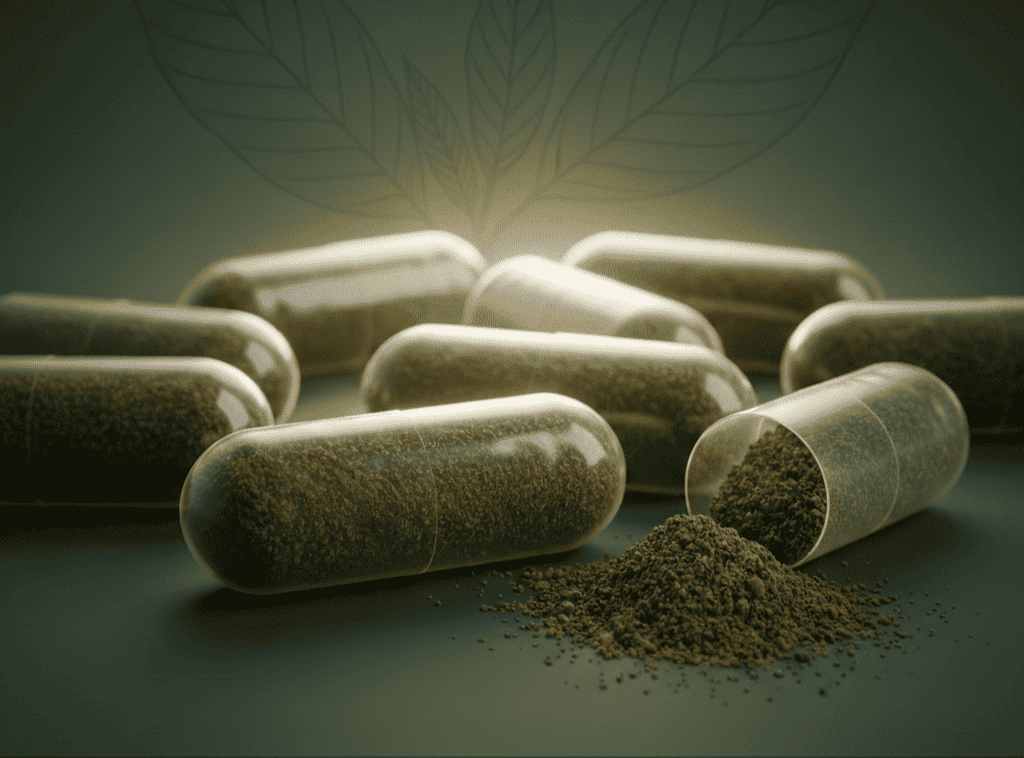
7-hydroxymitragynine, commonly called 7-OH, is a potent kratom alkaloid found in the plant’s leaves. Unlike mitragynine, which is the primary alkaloid in kratom, this alkaloid exists in much smaller quantities but produces significantly stronger effects.
The key difference between regular kratom and 7-OH kratom lies in potency. Research indicates that 7-OH binds approximately five times more tightly to mu-opioid receptors than mitragynine. This means it produces more intense opioid-like effects, including pain relief, sedation, and euphoria, even at lower doses.
When you consume 7-OH kratom, the alkaloid crosses the blood-brain barrier and attaches to opioid receptors throughout the central nervous system (CNS). These receptors normally respond to your body’s natural endorphins, but 7-OH essentially hijacks this system, triggering a cascade of neurological and physiological responses.
The problem is that many commercial kratom products now contain artificially elevated levels of 7-OH, which is sometimes much higher than what occurs naturally in kratom leaf. This increases the risk of side effects, including excessive sweating, as well as the potential for kratom dependence and 7-OH kratom overdose risk.
Common Side Effects of 7-OH Kratom
Beyond sweating, there’s a range of 7-OH kratom effects that mirror those of traditional opioids. These side effects can emerge even at doses users consider “normal,” particularly when product potency varies unpredictably between batches.
Common physical side effects include:
- Nausea and vomiting
- Drowsiness and sedation
- Dizziness and lightheadedness
- Constipation
- Dry mouth
- Changes in heart rate
- Excessive sweating
Meanwhile, psychological effects may include:
- Confusion or disorientation
- Mood swings
- Anxiety or agitation
- Euphoria followed by dysphoria
- Impaired judgment and decision-making abilities
The intensity of these side effects depends on several factors, including dose, product concentration, individual metabolism, and whether other substances are being used simultaneously. Still, sweating is one of the more visible signs that 7-OH kratom is affecting your autonomic nervous system.
Why 7-OH Kratom Can Cause Sweating
7-OH kratom can cause sweating because of the way in which opioid receptor stimulation affects the autonomic nervous system. When 7-OH binds to opioid receptors, it doesn’t just produce pain relief or sedation but also triggers changes in involuntary bodily functions, including temperature regulation and sweat production.
Your autonomic nervous system has two branches: the sympathetic (fight-or-flight) and parasympathetic (rest-and-digest) systems. Opioid receptor activation disrupts the normal balance between them, causing your body to misinterpret temperature signals. Subsequently, it leads to inappropriate sweating even when you’re not hot or physically active.
This can occur in two distinct contexts with 7-OH kratom:
- First, it may appear as a relatively mild side effect during active use, especially at higher doses or with repeated consumption.
- Second, and more concerning, profuse sweating can indicate kratom toxicity or the early stages of 7-OH kratom overdose.
The sweating mechanism is similar to what happens during opioid withdrawal. When someone who’s become dependent on 7-OH kratom stops using it, the autonomic nervous system rebounds, causing excessive sweating along with other withdrawal symptoms like muscle aches, anxiety, and temperature fluctuations.
This clinical similarity isn’t coincidental; both scenarios involve disruption to the opioid receptor system. So, whether you’re actively using or experiencing 7-OH kratom withdrawal sweating, your body’s temperature regulation and stress response systems are being thrown off balance by changes in opioid receptor activity.
4 Risk Factors That Increase Sweating

Several factors can intensify sweating when using 7-OH kratom, including:
#1. High Dosage
Taking larger amounts of 7-OH kratom directly increases the likelihood and severity of sweating.
Higher doses mean more opioid receptor activation, which translates to greater disruption of your autonomic nervous system. The problem is that without standardized labeling, users often don’t know exactly how much 7-OH they’re consuming in concentrated products.
#2. Frequent or Prolonged Use
Regular use of 7-OH kratom compounds the sweating effect over time. As your body adapts to the presence of the substance, it may respond with increasingly dysregulated temperature control. Additionally, frequent use accelerates the development of tolerance and dependence, both of which worsen autonomic dysfunction.
#3. Individual Sensitivity and Metabolism
Some people are more susceptible to 7-OH kratom’s effects on the autonomic nervous system. Factors like liver function, genetic variations in drug metabolism, and pre-existing health conditions can all influence how intensely you experience sweating and other side effects.
For instance, if your liver processes the alkaloid more slowly, 7-OH stays in your system longer, prolonging its effects on temperature regulation and other involuntary functions.
#4. Mixing With Other Substances
Combining 7-OH kratom with other drugs, especially CNS depressants like alcohol, benzodiazepines, or prescription opioids, increases all side effects, including sweating.
These combinations place contradictory demands on your nervous system while amplifying opioid-like effects. The result is often severe autonomic dysfunction, which also includes dangerous changes in heart rate and potentially fatal respiratory depression.
How to Reduce or Manage Sweating from Kratom: 4 Tips
The most reliable way to eliminate kratom-induced sweating is to discontinue use under medical supervision. But some strategies may help manage this side effect in the short term. Still, these are temporary measures and don’t address the underlying issue of kratom’s effects on your nervous system.
Here’s what you can do:
#1. Stay Hydrated
Drinking plenty of water can help offset fluid loss from excessive sweating. Dehydration worsens many of kratom’s side effects, including dizziness, confusion, and cardiovascular stress. Therefore, you should keep water nearby and sip regularly throughout the day, even if you don’t feel particularly thirsty.
#2. Lower Your Dose
Reducing the amount of 7-OH kratom you take may decrease sweating intensity. However, if you’ve developed tolerance or dependence, lowering your dose may trigger kratom withdrawal, sweating, and other uncomfortable symptoms. This creates a difficult situation where you’re caught between active use side effects and withdrawal discomfort.
#3. Monitor Your Environment
Keeping your environment cool can provide some relief from kratom-induced sweating. Use fans, air conditioning, or cool compresses, and wear lightweight, breathable clothing made from natural fibers. While these adjustments won’t stop the sweating, they may at least make you more comfortable.
#4. Recognize When to Stop
If sweating is accompanied by other concerning symptoms, such as difficulty breathing, chest pain, severe confusion, or unresponsiveness, seek emergency medical attention immediately. These signs may indicate 7-OH kratom toxicity or overdose, both of which require immediate professional intervention.
Ultimately, managing kratom-related sweating through these tips is like putting a bandage on a deeper problem. If you’re experiencing sweating and other side effects regularly, it’s a sign that 7-OH kratom is disrupting your body’s normal function, and you should seriously consider seeking treatment.
When Sweating Could Indicate a Serious Problem
Not all sweating from 7-OH kratom is benign; it can sometimes be a warning sign of serious medical complications, including overdose, severe toxicity, or the onset of severe and distressing withdrawal in dependent users.
You should seek immediate medical attention if sweating occurs alongside:
- Severely slowed or shallow breathing
- Blue-tinged lips or fingernails (also known as cyanosis)
- Extreme drowsiness or unresponsiveness
- Chest pain or irregular heartbeat
- Severe confusion or hallucinations
- Seizures or loss of consciousness
Additionally, if you’re experiencing sweating as part of withdrawal, along with muscle aches, anxiety, insomnia, and intense cravings, this indicates you’ve developed physical dependence on 7-OH kratom. This is a medical condition that requires professional treatment, not just willpower or home remedies.
Treatment Options for 7-OH Kratom Dependence
If you’ve become dependent on 7-OH kratom, seeking professional treatment is essential for achieving lasting recovery. The neurobiological changes caused by regular 7-OH use don’t simply reverse on their own when you stop using.
Accelerated Neuro-Regulation (ANR) is an effective treatment for kratom dependence because it addresses the root cause of the problem. It’s not just another approach that only manages withdrawal symptoms or substitutes one substance for another; it aims to support re-regulation of the body’s endorphin-receptor system that 7-OH kratom has disrupted.
Individuals should consult qualified medical professionals to determine which treatment option is appropriate for their situation.
Key Takeaways
As you could see, the answer to “Does 7-OH kratom make you sweat?” is a simple yes. While it may seem like a minor inconvenience, such a side effect signals that this potent alkaloid is affecting your involuntary bodily functions.
Sweating becomes particularly concerning when it’s profuse, persistent, or accompanied by other symptoms like respiratory depression, confusion, or cardiovascular changes. These signs may indicate toxicity, overdose risk, or the development of physical dependence.
If you’re experiencing regular sweating or other side effects from 7-OH kratom, this is a clear sign that the substance is disrupting your body’s normal function. The most effective path forward is seeking professional treatment that addresses the neurobiological effects of dependence, such as ANR, rather than attempting to manage symptoms on your own.
Does 7-OH Kratom Make You Sweat FAQ
#1. Is sweating from 7-OH kratom a sign of overdose?
Sweating alone isn’t necessarily a sign of overdose, but profuse sweating combined with other symptoms, such as severely slowed breathing, extreme drowsiness, blue-tinged lips, or confusion, can indicate 7-OH kratom overdose. If you experience these symptoms together, seek emergency medical attention immediately, as an overdose can be life-threatening without proper intervention.
#2. Does 7-OH kratom affect the heart or blood pressure?
Yes, 7-OH kratom can affect both heart rate and blood pressure. Because it interacts with opioid receptors, it may cause changes ranging from decreased heart rate to dangerous arrhythmias, especially at higher doses or when combined with other substances. These cardiovascular complications become more likely with regular use or in people with pre-existing heart conditions.
#3. Does kratom give you hot flashes?
Yes, kratom can cause hot flashes and temperature dysregulation. This occurs because kratom alkaloids, particularly 7-hydroxymitragynine, disrupt the autonomic nervous system’s control over body temperature. Users may experience sudden waves of heat, sweating, or alternating chills and hot flashes, similar to symptoms seen during opioid withdrawal. These temperature fluctuations indicate the substance is interfering with normal physiological regulation.