

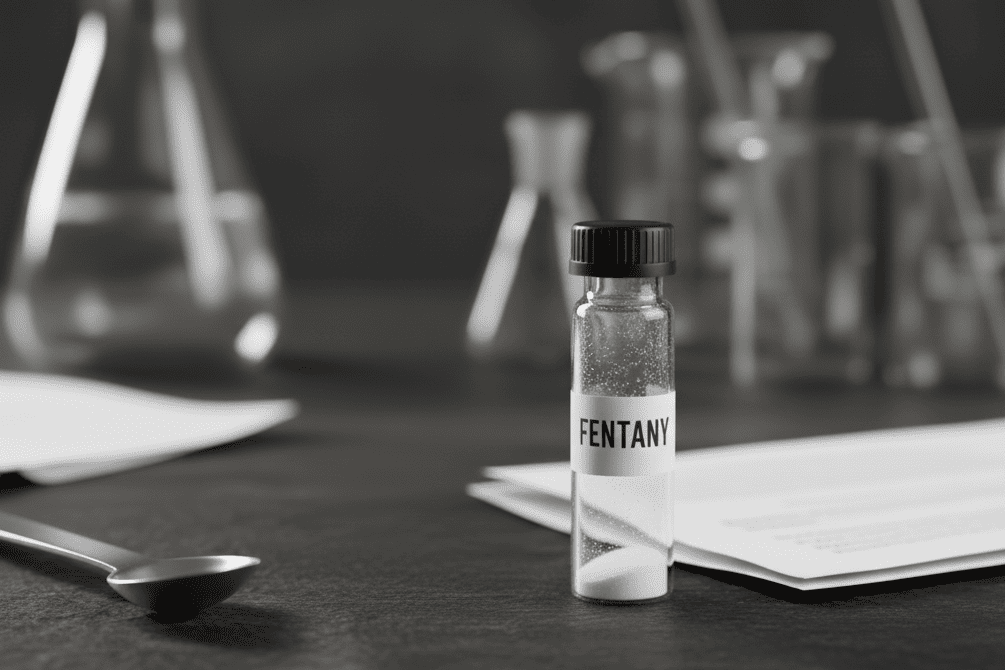
A lethal dose of fentanyl is alarmingly small; sometimes just a few milligrams can prove fatal for someone without tolerance. This isn’t surprising, as this medication stands as one of the most potent synthetic opioids available today, so it should be taken strictly according to instructions.
This article explores what makes fentanyl so dangerous, the factors that determine a lethal dose, and the signs of overdose you need to recognize immediately. We’ll also discuss how to stay safe when taking the medication and why addressing fentanyl addiction through medical treatment is the most effective path forward.
What Is Fentanyl?
Fentanyl is an opioid developed for legitimate medical purposes, primarily to manage severe pain that other medications couldn’t adequately control.
It belongs to the group of synthetic opioids, meaning it’s manufactured in laboratories rather than derived from natural opium poppies. Doctors usually prescribe it for post-surgical recovery, cancer-related pain, and other conditions where extreme discomfort needs aggressive management.
According to the Drug Enforcement Administration (DEA), it’s approximately 50 times stronger than heroin and roughly 100 times more powerful than morphine. This means that what would be a moderate dose of morphine becomes potentially lethal when you’re talking about fentanyl.
The drastic difference in potency is the reason why fentanyl overdoses have skyrocketed in recent years. As per the Centers for Disease Control and Prevention (CDC) statistics, illicit fentanyl was named as the cause of around 73,000 overdose deaths in 2023 in the U.S alone. The rate of overdose deaths involving synthetic opioids in 2023 was roughly22 times higher than in 2013, underscoring the dramatic rise of these drugs in the last decade.
For medical use, you’ll find fentanyl as:
- Transdermal patches that release the medication slowly through the skin
- Lozenges that dissolve in the mouth
- Intravenous solutions that are administered in hospitals
- Sublingual tablets or sprays
- Buccal tablets or films
Unfortunately, illicitly manufactured fentanyl (often mixed into other substances without users’ knowledge) has flooded the market. These illegal versions come as powders, pills designed to look like prescription medications, or mixed into heroin and other opioids. There’s no quality control, no standardized dosing, and no way to know what you’re actually getting.
What Does “Lethal Dose of Fentanyl” Mean?
The term “lethal dose” refers to the amount of fentanyl that can cause death. Yet, when it comes to this drug, it’s not a simple number; it depends on multiple factors, such as your body weight, your tolerance through regular opioid use, and how the drug enters your system.
For someone who is opioid naive, as little as 2 milligrams of fentanyl can be fatal; even such a small amount can shut down your respiratory system completely.
Besides the abovementioned factors, the lethal dose of fentanyl varies significantly from person to person based on:
- Tolerance. Someone who’s been taking opioids regularly may have developed tolerance, meaning their body has adjusted to these substances and requires higher amounts to achieve the same effects. For these individuals, the potentially fatal dose increases, though it’s still dangerously low compared to other substances.
- Method of intake. Fentanyl injected intravenously acts faster and more intensely than fentanyl absorbed through a patch. When you inject it, the drug reaches your brain within seconds, whereas patches release medication gradually over hours or days. This is why accidental overdoses happen so frequently with illicitly manufactured fentanyl; people simply don’t realize how quickly it will affect them.
It’s worth noting that there’s a massive difference between an accidental overdose and a prescribed therapeutic dose. When doctors prescribe fentanyl, they calculate the dosage carefully based on your medical history, current pain levels, and opioid tolerance. They start low and adjust gradually, monitoring you closely. Meanwhile, street fentanyl offers none of these safeguards.
Symptoms of Fentanyl Overdose
Recognizing fentanyl overdose symptoms quickly can mean the difference between life and death.
The early warning signs might seem subtle at first. You might notice extreme drowsiness that goes beyond normal tiredness, confusion that makes it hard to follow conversations, or breathing that’s noticeably slower than usual. These symptoms deserve immediate attention.
As an overdose progresses, the situation becomes critical. Respiratory depression (an occurrence when breathing slows to dangerous levels or stops entirely) is the primary killer in fentanyl overdoses. The person may lose consciousness and be unable to wake up, and their lips and fingernails might turn blue or purple, indicating that oxygen isn’t reaching their tissues properly.
Unfortunately, fentanyl toxicity doesn’t give you much time to react. Unlike some overdoses that develop over hours, fentanyl can shut down your respiratory system within minutes. This is an absolute medical emergency, so if you suspect someone is experiencing a fentanyl overdose, call emergency services immediately.
What Are the Main Risk Factors for Lethal Fentanyl Overdose?
The main risk factors for lethal fentanyl overdose are:
#1. Mixing Fentanyl with Other Depressants
Combining fentanyl with other central nervous system (CNS) depressants creates a synergistic effect, meaning the combined impact is greater than the sum of their individual effects. Alcohol and fentanyl together suppress breathing more dramatically than either substance alone, and the same applies to benzodiazepines like Xanax or Valium.
Many users don’t even realize they’re mixing substances. They might take what they think is heroin or a prescription pill, not knowing it contains fentanyl, so there may be accidental fentanyl ingestion or administration. Needless to say, this can easily end in lethal overdose in a matter of minutes.
#2. Low Opioid Tolerance or First-Time Users
As previously mentioned, people without established opioid tolerance face the highest risk of fentanyl overdose. If you’ve never taken opioids regularly, your body hasn’t adapted to their effects. So, what might be a manageable dose for someone with dependence could completely overwhelm your system.
Even people who’ve used opioids in the past but took a break face an elevated risk. If you’ve been abstinent for weeks or months, your tolerance drops significantly. Returning to your previous dose could trigger an overdose because your body is no longer accustomed to that level of opioids.
#3. Illegally Manufactured Fentanyl and Inconsistent Dosing
Perhaps the most dangerous aspect of the current opioid crisis is the proliferation of illicitly manufactured fentanyl.
Unlike pharmaceutical-grade fentanyl produced under strict quality controls, street fentanyl is manufactured in clandestine labs with zero oversight. The concentration varies wildly from batch to batch, sometimes even from pill to pill within the same batch.
This inconsistency makes every use risky, as one pill might contain barely any fentanyl, while the next could pack a fatal dose, and users have no way to know what they’re actually taking. The visual appearance means nothing; counterfeit pills are deliberately designed to look identical to legitimate medications.
Drug dealers cut other substances with fentanyl because it’s cheap and potent, allowing them to stretch their product. But they rarely mix it evenly, leading to “hot spots” where fentanyl is heavily concentrated. Someone might survive several uses, then encounter one of these hot spots and suffer a fatal fentanyl overdose.
#4. Pre-Existing Medical Conditions
Certain health conditions amplify the dangers of fentanyl use. If you have compromised lung function from conditions like COPD (chronic obstructive pulmonary disease) or asthma, your respiratory system is already working harder than normal. Adding a powerful respiratory depressant like fentanyl can push you into respiratory failure much more easily.
Heart conditions create additional risks; fentanyl affects heart rate and blood pressure, and if your cardiovascular system is already strained, the drug can trigger serious complications. The same goes for liver disease since your liver processes and eliminates fentanyl from your body. When it isn’t functioning properly, the drug accumulates longer and at higher concentrations.
Furthermore, even seemingly unrelated conditions can increase vulnerability to fentanyl toxicity. Sleep apnea, for instance, already disrupts normal breathing patterns during sleep; in combination with fentanyl’s respiratory depression, the results can be catastrophic.
Finally, many people with opioid dependence have multiple health issues, either from the substance use itself or from underlying conditions. This creates a particularly dangerous situation where the lethal dose of fentanyl becomes even lower than it would be for someone in perfect health.
How to Stay Safe When Using Fentanyl
To stay safe when using fentanyl, you must follow these safety measures:
- Follow prescribed dosages exactly. If a doctor prescribes fentanyl for legitimate pain management, never take more than directed, even if you feel it’s not working well enough. Contact your physician to discuss dosage adjustments rather than making changes on your own.
- Never use any illicitly obtained substances. There’s simply no way to know what you’re getting from street sources. What looks like a legitimate pain pill might contain a fatal dose of fentanyl, and the risk isn’t worth it.
- Keep naloxone accessible and learn how to use it. Naloxone (Narcan) rapidly reverses opioid overdoses by blocking opioid receptors, and it’s available without a prescription in most areas. If you or someone close to you uses opioids, administering naloxone could save a life.
- Never use opioids alone. If you’re dependent on opioids, having someone nearby increases your chances of survival if something goes wrong.
- Watch for signs of dependence and seek help early. If you find yourself needing opioids just to feel normal, if you’re taking them more frequently or in higher doses, or if you experience opioid withdrawal symptoms when you stop, you’ve likely developed opioid dependence.
Regular monitoring by healthcare professionals is essential if you’re taking prescribed opioids. Your doctor should periodically assess whether the medication is still appropriate and watch for signs that dependence is developing. Such open communication about your symptoms and concerns helps your medical team keep you safe.
ANR Treatment: A Medical Solution for Opioid Dependence
If you’re struggling with opioid addiction, whether from prescription medications or illicit use, Accelerated Neuro-Regulation (ANR) offers a scientifically-based path to recovery. While traditional approaches simply manage symptoms, ANR addresses the neurobiological root cause of opioid dependence by restoring your brain’s endorphin-receptor system to its pre-dependence state.
To learn more about how ANR can help you break free from opioid dependence safely and effectively, contact us for a free, confidential consultation.
Key Takeaways
As we’ve learned about the fatal fentanyl dose from this guide reveals why this synthetic opioid has become such a deadly threat.
Even amounts too small to see with the naked eye can prove fatal, especially for people without opioid tolerance. The unpredictability of illicitly manufactured fentanyl, combined with the common practice of mixing it with other substances, has created an unprecedented public health crisis.
Recognizing overdose symptoms and acting immediately can save lives, so make sure you use the substance according to the doctor’s instructions, and seek professional help at the first signs of opioid dependence.