


The main Dilaudid vs. morphine difference comes down to these medications’ strength, duration, and risk profiles, even though they’re both potent opioid medications prescribed for managing intense pain. Therefore, patients who continue to struggle with such issues need to understand the characteristics of both to make informed healthcare decisions.
This comprehensive guide examines their unique traits, helping you understand what sets these prescription painkillers apart and why proper medical supervision is absolutely essential when using either medication.
What Is Dilaudid, And How Does It Work?
Dilaudid, known generically as hydromorphone, is a semi-synthetic opioid derived from morphine through chemical modification. It’s classified as a Schedule II controlled substance due to its high potential for abuse and dependence.
This powerful pain medication was first synthesized in 1924 and has since become one of the most potent opioids available for medical use.
The drug works by binding to mu-opioid receptors in the central nervous system (CNS), effectively blocking pain signals from reaching the brain. Healthcare providers typically prescribe it for severe pain that doesn’t respond to other medications, such as that caused by major surgeries, cancer, or serious injuries. It’s available as immediate- and extended-release tablets, oral liquid solutions, and injectable formulations for hospital use.
Street names for Dilaudid include “D,” “Dust,” “Footballs,” and “Juice”, all of which are terms that highlight its unfortunate presence in illicit drug markets. The medication’s potency makes it particularly dangerous when misused, as even small amounts can produce intense effects.
It’s also important to know that medical professionals often reserve Dilaudid for situations where other opioids prove insufficient, which makes it a last-resort option in chronic pain management protocols.
What Is Morphine, and How Does It Work?
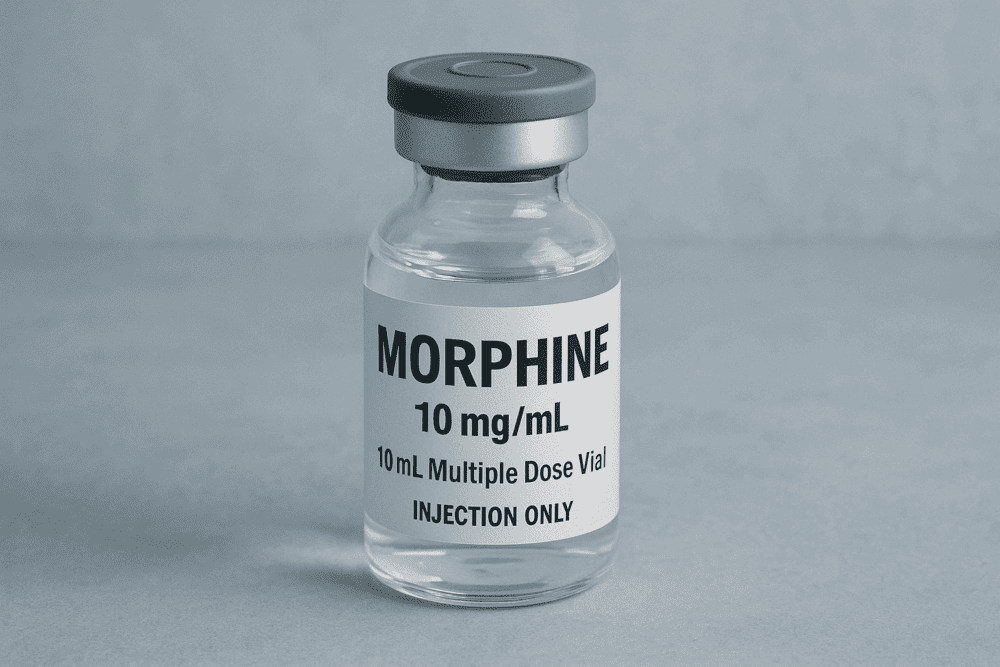
Morphine stands as the gold standard among opioid pain medications. This is why “morphine milligram equivalents (MME)” is used to standardize and compare dosing across different opioids. This natural opioid is extracted directly from the opium poppy plant (Papaver somniferum); as a Schedule II controlled substance, it carries significant regulatory oversight due to its therapeutic value and abuse potential.
Like Dilaudid, morphine activates mu-opioid receptors throughout the CNS, interrupting pain transmission pathways. Doctors commonly prescribe it for moderate to severe pain, including chronic conditions like cancer, severe arthritis, and post-surgical recovery.
The medication is available in various forms, including immediate- and extended-release tablets, oral solutions, suppositories, and injectable forms for hospital administration.
Street names for morphine include “M,” “Miss Emma,” “Monkey,” and “White Stuff”; its widespread availability and recognition make it a frequent target for diversion and abuse. Morphine’s long history in medicine means it’s well-understood by healthcare providers, though this familiarity doesn’t diminish its potential dangers.
4 Key Dilaudid vs. Morphine Differences
While both Dilaudid and morphine target the same receptors and provide similar therapeutic effects, their differences can significantly impact treatment outcomes and patient experiences. Let’s see what they are:
Dilaudid vs Morphine: Strength and Effectiveness
Dilaudid is approximately 5-10 times more potent than morphine, which means a much smaller dose of Dilaudid produces effects equivalent to a larger morphine dose. For instance, 1.5 mg of Dilaudid provides roughly the same pain relief as 10 mg of morphine.
Meanwhile, when comparing the Dilaudid, morphine, and fentanyl strength, fentanyl remains the most potent, followed by Dilaudid, then morphine.
This potency difference matters tremendously in clinical settings. Dilaudid’s strength makes it valuable for patients who’ve developed tolerance to other opioids or those experiencing breakthrough pain despite existing medication regimens. However, this same potency increases the risk of overdose and makes dosing adjustments more critical.
Dilaudid vs. Morphine: Chemical Composition
While both drugs share similar molecular structures, Dilaudid undergoes additional chemical processing that removes a hydroxyl group from morphine’s structure. This seemingly minor change dramatically affects how the body processes the medication.
Additionally, Dilaudid crosses the blood-brain barrier faster than morphine, contributing to its increased potency and faster onset of action.
Dilaudid vs. Morphine: Cost
Morphine generally costs less than Dilaudid, partly due to its longer presence in the market and availability of generic versions.
Furthermore, Dilaudid’s higher manufacturing costs and lower production volumes typically result in higher prices. Insurance coverage varies, but most plans cover both medications when medically necessary, though prior authorization might be required for the more expensive option.
Dilaudid and Morphine Side Effects

Both medications share a similar side-effect profile due to their shared mechanism of action, though individual experiences may vary based on dosage, duration of use, and personal sensitivity.
Common Short-Term Side Effects
Let’s see what side effects are present in each of these medications:
| Side Effect | Dilaudid | Morphine |
| Drowsiness and sedation | ✓ | ✓ |
| Nausea and vomiting | ✓ | ✓ |
| Constipation | ✓ | ✓ |
| Dizziness | ✓ | ✓ |
| Confusion | ✓ | ✓ |
| Itching | ✓ (more common) | ✓ |
| Dry mouth | ✓ | ✓ |
| Euphoria | ✓ (more intense) | ✓ |
| Headache | ✓ | ✓ (more common) |
| Sweating | ✓ | ✓ (more common) |
| Respiratory depression | ✓ (higher risk) | ✓ |
The duration of side effects typically correlates with Dilaudid’s and morphine’s half-life. Immediate-release formulations produce effects lasting 3-4 hours for Dilaudid and 4-6 hours for morphine. Meanwhile, extended-release versions provide longer-lasting effects but also extend the duration of potential side effects.
Long-Term Side Effects
When it comes to long-term effects, these develop with extended use of either medication and include:
- Chronic constipation, which becomes increasingly problematic and often requires specific medications for management
- Sleep disturbances, including sleep apnea, may worsen over time
- Hormonal changes that can affect libido and reproductive function in both men and women
Potential Risks of Dilaudid and Morphine
Using Dilaudid or morphine carries serious risks that extend far beyond their intended therapeutic effects. These risks can be life-altering and sometimes irreversible, making it essential to understand the full scope of potential complications.
Let’s see what the major risks are.
#1. Respiratory Depression
Both drugs can slow breathing to dangerous levels, particularly when combined with alcohol, benzodiazepines, or other CNS depressants. Therefore, respiratory depression can occur even at prescribed doses in sensitive individuals.
The risk increases significantly with higher doses, and respiratory depression remains the leading cause of opioid-related deaths. Warning signs include shallow breathing, blue lips or fingernails, and extreme drowsiness that makes it difficult to wake someone.
#2. Physical Dependence and Addiction
Extended use of either medication increases the risk of physical dependence, where your body adapts to the drug’s presence and requires it to function normally. This physiological adaptation occurs in nearly everyone who takes opioids regularly for more than a few weeks.
Opioid dependence differs from opioid addiction, though they often occur together. Some individuals develop OUD, characterized by compulsive drug-seeking behavior despite harmful consequences.
#3. Overdose Potential
Exceeding prescribed doses can result in a life-threatening opioid overdose, especially with Dilaudid’s concentrated potency. Overdose symptoms include extreme drowsiness, pinpoint pupils, slow or absent breathing, blue skin color, and loss of consciousness.
The margin between therapeutic and lethal doses can be surprisingly narrow, particularly in opioid-naive individuals or when combined with other substances. Accidental overdoses often occur when patients double-dose due to inadequate pain relief or forget they’ve already taken medication.
#4. Opioid Withdrawal Complications
Stopping either medication abruptly after regular use triggers uncomfortable and potentially dangerous withdrawal symptoms. These include severe muscle aches, nausea, vomiting, diarrhea, anxiety, insomnia, and intense drug cravings.
Morphine or Dilaudid withdrawal severity correlates with usage duration and dosage levels. Some individuals experience protracted withdrawal symptoms lasting months, including depression, anxiety, and sleep disturbances that significantly impact quality of life.
Additional serious risks include:
- Hormonal disruptions. Long-term opioid use suppresses natural hormone production, leading to decreased testosterone in men and irregular menstrual cycles in women. This can result in reduced libido, infertility, osteoporosis, and mood changes. These hormonal effects may persist even after discontinuing the medication.
- Cardiovascular complications. Both medications can cause irregular heartbeats, low blood pressure, and, in some cases, cardiac arrest. Patients with existing heart conditions face elevated risks, and these effects can occur even at therapeutic doses.
- Hyperalgesia development. Paradoxically, long-term opioid use can increase pain sensitivity, making patients more susceptible to pain than before opioid use began. This opioid-induced hyperalgesia can make pain management increasingly challenging and may require specialized treatment approaches.
Following the instructions for prescription painkillers use is absolutely critical. Never adjust doses independently, combine these medications with alcohol, other CNS depressants, or share them with others. You also need to store medications securely to prevent accidental ingestion by children or diversion by others.
Healthcare providers emphasize the importance of using these medications only as prescribed and for the shortest duration necessary. Regular monitoring helps identify potential problems early and allows for appropriate interventions when needed.
Dilaudid and Morphine Drug Interactions

Dilaudid and morphine interact dangerously with numerous substances, creating potentially life-threatening combinations. Mixing either drug with alcohol dramatically increases the risk of respiratory depression and overdose, which is a combination that proves fatal far too often.
Benzodiazepines like Xanax, Ativan, or Valium create particularly hazardous interactions when combined with opioids. This combination contributed to thousands of overdose deaths in recent years, leading to increased warnings from healthcare providers and regulatory agencies.
Other dangerous interactions occur with sleep medications, muscle relaxants, certain antidepressants, and even some over-the-counter medications. Always inform healthcare providers about all substances you’re taking, including supplements and herbal remedies, before starting either medication.
Choosing Between Dilaudid and Morphine
Healthcare providers consider several factors when selecting between these medications for pain management, including your specific medical situation, pain severity, and treatment history.
Your medical history, including kidney or liver function, affects how your body processes each medication. Some patients metabolize one drug more effectively than the other, leading to better pain control with fewer side effects, while previous experiences with opioid side effects can also guide medication selection.
Key Takeaways
Both Dilaudid and morphine serve important roles in pain management, yet their differences make each more suitable for specific situations. Dilaudid’s superior potency makes it valuable for severe, treatment-resistant pain, while morphine’s established track record and lower cost often make it the first-choice option.
Knowing the risks and benefits of these medications empowers you to have informed discussions with healthcare providers about pain management options. Remember that both drugs carry significant risks for dependence and addiction, making medical supervision essential throughout treatment.
If you or someone you know is struggling with opioid dependence, an effective treatment option is available. ANR (Accelerated Neuro-Regulation) offers an innovative approach that addresses the neurobiological root cause of opioid dependence, helping patients achieve lasting recovery.