


If you were wondering what the highest dose of Suboxone is that doctors actually prescribe, the answer is that the amount usually ranges from 24 to 32 mg per day. It’s critical information that could mean the difference between managing symptoms and facing serious health risks.
This article breaks down everything you need to know about Suboxone dosing limits, from the typical starting doses to the absolute maximum. More importantly, we’ll explore why even the highest doses might not solve the real problem lurking beneath opioid dependence.
What Is Suboxone, and How Does It Work?
Suboxone combines two medications: buprenorphine and naloxone. The buprenorphine part acts like a partial opioid agonist; it attaches to the same brain receptors as heroin or prescription painkillers but doesn’t fully activate them.
Meanwhile, the naloxone component is there to prevent misuse. If someone tries to inject Suboxone instead of taking it as prescribed, the naloxone kicks in and blocks the opioid effects entirely.
The issue is that Suboxone doesn’t actually fix the underlying neurological imbalance causing opioid dependence. It’s essentially replacing one opioid with another, albeit a “safer” one under medical supervision.
However, your body still craves opioids because the endorphin system remains disrupted. The medication just keeps withdrawal symptoms at bay while you remain dependent on an external substance to function normally.
What Is the Highest Dose of Suboxone Typically Prescribed?
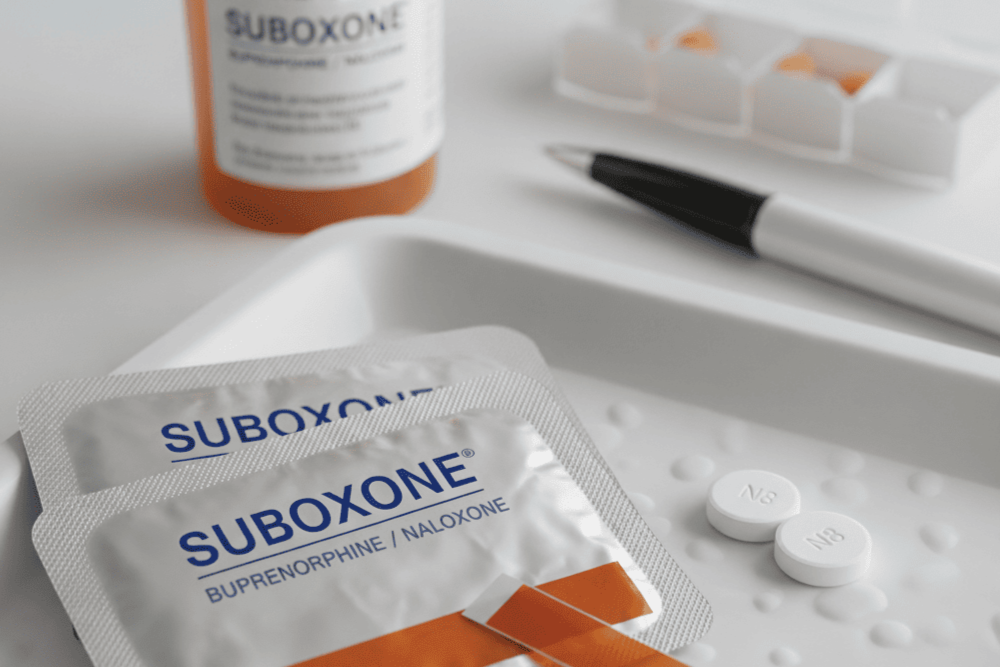
The maximum Suboxone dose typically prescribed ranges from 24 to 32 mg per day, with most clinical guidelines capping it at 24 mg. Some doctors might push it to 32 mg in specific cases, but going higher doesn’t necessarily mean better results.
Buprenorphine has what’s called a “ceiling effect,” so when you hit around 24-32 mg, taking more will not necessarily increase its effectiveness for managing withdrawal or cravings. Your opioid receptors become saturated, and additional medication just circulates in your system without providing extra benefit.
The FDA-approved prescribing information suggests that doses above 24 mg daily haven’t shown clinical advantages in controlled studies. Yet some patients end up on these high-dose Suboxone side effects territory doses anyway, chasing relief that never quite comes. The medication isn’t addressing what’s actually broken, which is your brain’s ability to produce and regulate its own endorphins.
Most opioid dependence treatment programs start patients at much lower doses, around 8-16 mg daily, and only increase if withdrawal symptoms persist. But even at the highest doses, patients still experience cravings and remain tethered to their medication schedule.
Typical vs. Highest Dose of Suboxone
Let’s get real about how Suboxone dosage for pain actually works in practice, as the difference between typical doses and maximum doses tells an important story about opioid dependence treatment:
| Dosage Category | Range | Purpose | Patient Profile |
| Starting Dose | 2-8 mg | Initial stabilization | New to MAT |
| Typical Maintenance | 8-16 mg | Daily management | Most patients on long-term MAT |
| Higher Maintenance | 16-24 mg | High tolerance | Heavy prior opioid use |
| Maximum Labeled Dose | Up to 24 mg | Upper recommended range | Severe dependence |
| Off-Label Upper Limit | 24-32 mg | Select cases only | Specialist oversight |
The reality is that many patients bounce between these doses, constantly adjusting based on cravings that never fully disappear. You might start at 8 mg, feel okay for a few weeks, then need 12 mg when stress hits. Eventually, you’re at 16 mg, then 20 mg, wondering if the normal dose of Suboxone even exists anymore.
This happens because Suboxone manages symptoms without fixing the core problem. Your endorphin system stays disrupted, which means you end up relying on an external substance long-term instead of your body regulating itself normally. Some patients stay on Suboxone for years, even decades, cycling through doses and never achieving true freedom from opioid dependence.
The Suboxone maximum daily dose might keep you functional, but it won’t restore your brain’s natural ability to regulate itself. That’s the uncomfortable truth many treatment programs don’t discuss.
Factors Influencing Suboxone Dosage
Your Suboxone dose isn’t random; several factors determine where you’ll land on the dosing spectrum, and getting familiar with these can help explain why your dose might differ from someone else’s.
Key factors affecting Suboxone dosage guidelines include:
- Previous opioid use intensity. Someone coming off high-dose fentanyl needs more Suboxone than someone who was taking hydrocodone.
- Body weight and metabolism. Larger individuals or those with faster metabolisms may require higher doses.
- Duration of opioid use. Long-term users often have more severely compromised endorphin systems.
- Liver function. Since buprenorphine is metabolized by the liver, impaired liver function affects dosing.
- Concurrent medications. Some drugs interact with Suboxone, requiring dose adjustments.
- Individual receptor sensitivity. Genetic variations affect how your brain responds to buprenorphine.
Even when doctors consider all these factors and find your “perfect” dose, you’re still dependent. The signs that the Suboxone dose is too low might disappear temporarily, but the underlying neurological dysfunction persists, and you’re managing a chronic condition rather than resolving it.
Some patients try the Suboxone spit trick (spitting out saliva after the film dissolves), thinking they can control absorption better. Others constantly adjust timing or split doses throughout the day, but these workarounds just highlight how imprecise and unsatisfying such treatment can be.
Risks of Exceeding the Highest Dose of Suboxone
If you exceed the highest dose of Suboxone, you can face the following risks and dangers:
#1. Respiratory Depression
Taking more than 32 mg of Suboxone won’t give you better symptom control, but it will increase your risk of dangerous side effects. Respiratory depression happens when your breathing becomes dangerously slow. This becomes a real concern, especially if you’re mixing Suboxone with benzodiazepines or alcohol.
Your body can only process so much buprenorphine at once; excess medication builds up in your system without providing benefits.
#2. Increased Dependency
The harsh truth about Suboxone addiction is that the higher your dose, the harder it becomes to stop; your body becomes increasingly reliant on external opioids to function.
Patients often face brutal withdrawal when trying to taper. The Suboxone taper schedule becomes a months- or even years-long ordeal.
#3. Cardiovascular Issues
High-dose, long-term Suboxone use can affect your heart rhythm, and long QT interval, a potentially dangerous heart condition, could appear in patients taking excessive doses. QT prolongation is not a major known risk with buprenorphine compared with methadone. However, clinicians may still consider ECGs in patients with other QT risk factors or concomitant QT-prolonging drugs.
#4. The Ceiling Effect Paradox
Once you hit the Suboxone ceiling effect around 24 mg, taking more actually increases side effects without improving opioid blockade. You might experience severe constipation, headaches, insomnia, and mood swings, all while still battling cravings that the medication can’t fully suppress.
When to Ask for Help
You should ask for help and reconsider your opioid addiction treatment approach if you’re constantly wondering how much Suboxone is too much or find yourself needing dose increases just to feel “normal.”
True recovery means addressing the neurological root cause of opioid dependence, not just managing symptoms indefinitely. ANR Clinic’s advanced medical approach can help with that by targeting the imbalance in your endorphin system, helping your brain restore its natural function.
Reach out to our team of professionals to learn more about our treatment!
Key Takeaways
The highest dose of Suboxone typically maxes out at 24 mg daily. What matters more is that even maximum doses won’t restore your brain’s natural endorphin production or eliminate cravings permanently.
Suboxone keeps you dependent on an external substance to avoid withdrawal, so it’s symptom management, not a cure. Real freedom from opioid dependence requires addressing the underlying neurological imbalance that created the dependency in the first place, and ANR can help you achieve it and go back to a normal life.
What Is the Highest Dose of Suboxone FAQ
#1. Is a higher dose more effective for cravings?
No, a higher dose isn’t more effective for cravings. Once you reach 24-32 mg, the ceiling effect kicks in, meaning your receptors are saturated and can’t respond to additional medication. Additionally, cravings persist because Suboxone doesn’t fix the damaged endorphin system causing them, so you’re just masking the problem, not solving it.
#2. Can Suboxone be combined with other medications safely?
Certain medications can be combined with Suboxone under medical supervision, but mixing it with benzodiazepines, alcohol, or other central nervous system (CNS) depressants is dangerous. The real issue is that you’re adding more chemicals to manage a problem that requires neurological restoration.
#3. What is the lowest dose of Suboxone?
The lowest dose of Suboxone is 2 mg, though some doctors prescribe even smaller amounts by cutting films. Starting low sounds appealing, but remember that any dose maintains your opioid dependence rather than eliminating it, as you’re still reliant on external chemicals regardless of the amount.
#4. How much Suboxone is too much?
Anything above 32 mg is too much and exceeds medical guidelines. Additionally, given the ceiling effect, a higher dose does not result in greater clinical benefit. Any amount that keeps you dependent long-term is “too much” if your goal is genuine freedom from opioids. The question isn’t about dosage but about whether you want to manage dependence forever or actually resolve it.