

Suboxone’s unique mechanism may create a blocking effect that can last 24-72 hours or longer, depending on the dose and your metabolism. Understanding this timeline is crucial in answering “How long after taking Suboxone can I take pain medicine?” for anyone managing both opioid dependence and acute pain.
This article will explain exactly how Suboxone interacts with pain medicine, explore timelines for safe use, and explore alternative pain management strategies.
How Suboxone Works in the Body
Suboxone contains buprenorphine, a partial opioid agonist that works differently from full opioids like morphine or oxycodone. It binds to opioid receptors with exceptionally high affinity, meaning it attaches more tightly than most other opioids. This tight binding is what creates both its therapeutic effects and its complications with pain management.
The medication has a remarkably long half-life, meaning it stays active in your system far longer than typical pain medications. During this time, buprenorphine occupies the opioid receptors, essentially “parking” there and preventing other opioids from attaching effectively. This receptor occupation is why taking regular pain medicine shortly after Suboxone often provides little to no relief.
This matters significantly for pain medication because buprenorphine’s blockade effect isn’t just about duration; it’s about intensity, which varies by dose, receptor occupancy, and patient physiology. Understanding this mechanism helps explain why simply taking more pain medication isn’t the answer and can actually be dangerous.
How Long Does Suboxone Block Opioids?
The average blockade window for Suboxone ranges from 24 to 72 hours, depending on the dosage and metabolism. Higher doses create longer-lasting blockades; for example, someone taking 16mg daily will experience a more prolonged blocking effect than someone taking 2mg. The buprenorphine half-life means that even after you stop feeling Suboxone’s effects, it continues occupying your opioid receptors.
Full opioids cannot easily “override” Suboxone because of buprenorphine’s exceptional receptor affinity. This isn’t a battle you can win by taking more pain medication; it’s a waiting game.
Individual variability plays a huge role in how long Suboxone blocks opioids. Factors such as liver function, body weight, metabolism rate, and the duration of Suboxone use all influence the timeline. Someone who’s been on Suboxone for years may experience longer blockade effects than someone who just started treatment last week.
When Can You Safely Take Pain Medicine After Suboxone?
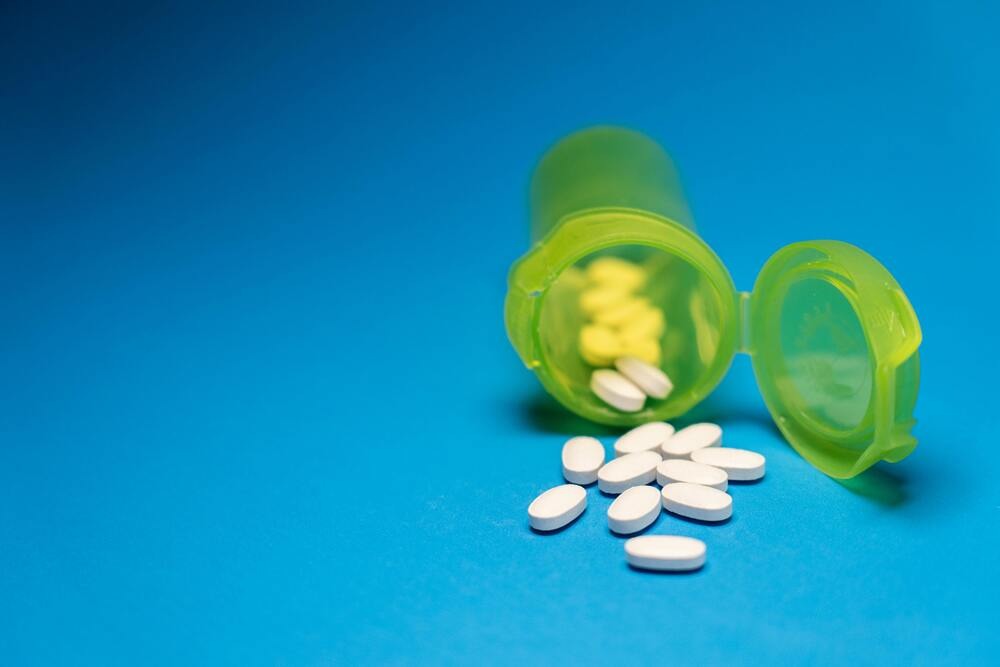
Determining when you can safely take pain medicine after Suboxone depends heavily on the type of pain medication and your individual circumstances. While some clinicians may wait 24–72 hours after the last dose, there is no universal timeline, and medical supervision is required to ensure safety and effectiveness.
Non-Opioid Pain Medications
Non-opioid pain medications can be taken immediately, as they don’t interact with the opioid receptors blocked by Suboxone. Options like NSAIDs, acetaminophen, gabapentin, or topical treatments work through different mechanisms. When appropriate and medically supervised, combining multiple non-opioid medications can provide more effective pain control than a single agent alone.
Taking Opioid Pain Medications
For opioid pain medications, timing becomes more complex. Because buprenorphine binds tightly to opioid receptors, traditional opioids may have reduced effectiveness even after Suboxone is stopped. Some clinicians may wait several days after the last dose, but there is no universal timeline, and responses vary depending on the prior dose and the duration of treatment. Patients on higher or long-term doses may experience reduced opioid responsiveness for several days or longer.
Attempting to overcome this effect by taking higher opioid doses is dangerous and increases the risk of respiratory depression and overdose. Any transition should be managed under medical supervision.
Factors That Affect the Timeline
Your Suboxone dose significantly impacts how long you need to wait—higher doses mean longer waiting periods. The duration of Suboxone treatment also matters; long-term users often have buprenorphine accumulated in their fat tissue and have higher receptor occupancy, which extends the blockade period. Individual metabolism, liver function, and other factors vary greatly, with some people clearing medications faster than others.
The type and strength of pain medication needed also influence timing decisions. Stronger opioids may break through partial blockades more effectively, but this doesn’t mean they’re safe to use sooner. Because timing varies widely from person to person, it is essential to consult your healthcare provider before making any changes. Attempting to adjust medications on your own can be dangerous and may increase the risk of complications.
What Happens If You Take Opioids Too Soon After Suboxone?
Taking opioids too soon after Suboxone can lead to serious complications that extend far beyond simply not getting pain relief. Understanding these risks is essential for anyone considering pain medication while buprenorphine is still active in their system. The consequences range from ineffective pain management to life-threatening situations.
#1. Reduced or Completely Blocked Effect
When you take opioid pain medication while Suboxone is still blocking your receptors, you’ll experience reduced or completely absent pain relief. This can lead to inadequate pain management during crucial recovery periods. The medication simply cannot access the receptors it needs to provide relief.
This blockade is dose-dependent but unpredictable. Even small amounts of residual buprenorphine can block substantial doses of other opioids, leaving you in pain despite taking medication.
#2. Risk of Taking Higher Doses
The lack of effect often leads people to take increasingly higher doses, thinking more medication will overcome the blockade. This is extremely dangerous thinking that has led to countless hospitalizations. The Suboxone blockade doesn’t disappear suddenly, but it gradually weakens over time.
Those escalating doses don’t just disappear from your system. They accumulate, waiting for the moment when the blockade lifts, potentially causing sudden and severe adverse effects.
#3. Overdose Risk After Blockade Decreases
As the Suboxone blockade weakens, all those accumulated opioids can suddenly become active, leading to opioid overdose. The risk is particularly high because you can’t predict exactly when the blockade will sufficiently decrease.
Moreover, expert reviews highlight that once buprenorphine is stopped, the loss of its partial-agonist protection (and a drop in opioid tolerance) leaves patients vulnerable to accidental overdose if they return to prior opioid use.
#4. Pain Undertreatment
Inadequate pain relief during critical healing periods can lead to complications, delayed recovery, and the development of chronic pain conditions. Your body needs proper pain management to heal effectively. When pain goes untreated, it can lead to problems such as poor sleep, reduced mobility, and increased stress on your body.
This undertreatment often leads to a vicious cycle where patients become increasingly desperate for relief, potentially making dangerous decisions about their medication use.
Pain Management Options While on Suboxone

Managing pain while on Suboxone requires a comprehensive approach that goes beyond traditional opioid medications. Many effective options exist that don’t interfere with your Suboxone treatment and can provide substantial relief. Working with healthcare providers who understand buprenorphine’s unique properties is essential for developing an effective pain management strategy.
Here are evidence-based alternatives that may work well for Suboxone patients:
- NSAIDs and acetaminophen combinations – These can be surprisingly effective when used together at appropriate doses
- Nerve blocks and regional anesthesia – Particularly useful for surgical or injury-related pain
- Gabapentinoids – Medications like gabapentin or pregabalin work well for nerve pain
- Muscle relaxants – Helpful for musculoskeletal pain and spasms
- Topical medications – Lidocaine patches, capsaicin cream, or diclofenac gel provide localized relief
- Physical therapy and movement therapies – Often more effective than medication for chronic pain
- Cognitive behavioral therapy – Helps manage pain perception and develop coping strategies
- Acupuncture and TENS units – Non-pharmacological options with good evidence for certain pain types
Some patients benefit from temporarily adjusting their Suboxone dose under medical supervision, though this must be carefully planned. In certain situations, particularly for planned surgeries, your doctor might recommend temporarily switching to a different medication. Never make these changes on your own—always work with healthcare providers familiar with buprenorphine treatment.
When To Seek Professional Help
You should seek immediate professional help if you’re experiencing severe, uncontrolled pain while on Suboxone or if you’re considering stopping Suboxone abruptly to take pain medication. These situations require medical expertise to navigate safely. Additionally, any signs of precipitated withdrawal or overdose symptoms demand emergency attention.
If you’re struggling with both pain management and opioid dependence, consider that traditional approaches may only address symptoms rather than the root cause. The ANR treatment is a medical approach that addresses the underlying neurobiological imbalance, eliminating the need for long-term Suboxone use altogether.
Key Takeaways
Understanding how long after taking Suboxone you can take pain medicine is crucial for safe and effective pain management. The typical waiting period can extend much longer depending on your dose, duration of use, and individual factors. Never attempt to override Suboxone’s blockade with higher doses of pain medication, as this increases overdose risk.
Most importantly, numerous effective pain management alternatives exist that don’t require waiting or risking dangerous Suboxone interactions. Working closely with healthcare providers who understand buprenorphine’s unique properties ensures you receive appropriate pain relief while maintaining your safety.
How Long After Taking Suboxone Can I Take Pain Medicine FAQ
#1. What can I take for severe pain while on Suboxone?
Non-opioid options like NSAIDs, acetaminophen, nerve blocks, and gabapentinoids can effectively manage severe pain while on Suboxone. These medications work through different pathways and don’t interact with buprenorphine’s opioid receptor blockade. Always consult your treating medical provider before starting or adjusting any medication to ensure it is safe and appropriate for your specific situation.
#2. Does Suboxone completely block all opioids?
Suboxone creates a strong but not absolute blockade of opioid effects. Very high doses of full opioid agonists can partially overcome the blockade, but this is extremely dangerous and dramatically increases overdose risk.
#3. Will stopping Suboxone suddenly make pain meds work better?
Abruptly stopping Suboxone is dangerous and won’t immediately restore opioid effectiveness. Buprenorphine’s long half-life means it remains in your system for days, and sudden cessation can trigger severe withdrawal symptoms.
#4. Does Suboxone interfere with anesthesia?
Suboxone can complicate anesthesia and post-operative pain management. Always inform your surgical team about Suboxone use well before any procedure so they can plan appropriate anesthesia and pain management strategies.