


While many people view kratom as a natural alternative to opioids, regular kratom and 7-OH kratom drug interactions can be extremely dangerous and even life-threatening.
This substance is a potent alkaloid found in kratom that acts on the same opioid receptors as prescription painkillers and heroin. 7-OH kratom is rather powerful, and its increased potency creates serious risks when combined with other substances.
This article will explain dangerous 7-OH kratom drug interactions, warning signs to watch for, and why this drug carries such serious risks.
What Is 7-OH Kratom?
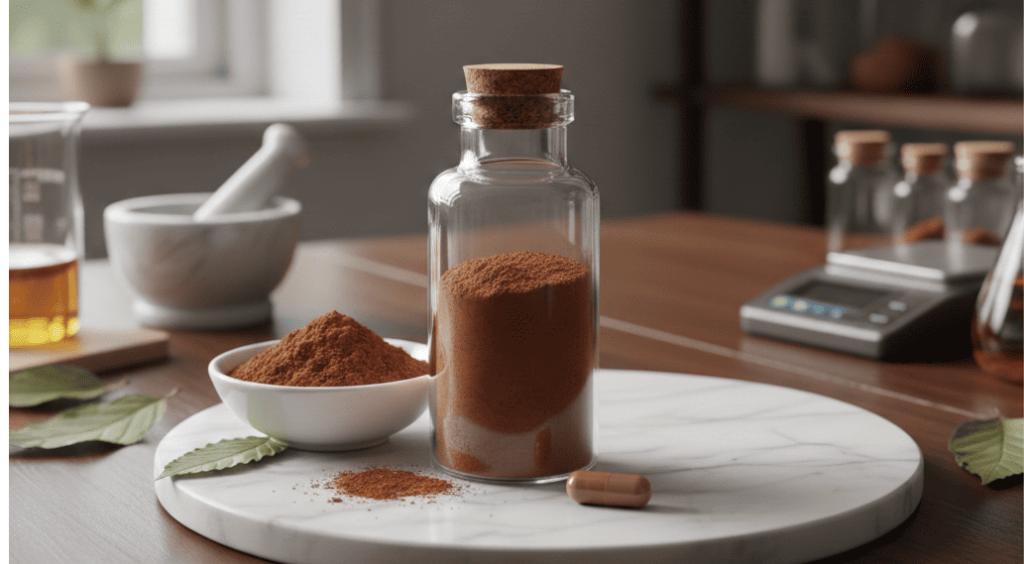
7-hydroxymitragynine, also known as 7-OH kratom, is one of the active alkaloid compounds found naturally in kratom leaves, though in much smaller concentrations than mitragynine. Many kratom products on the market today are specifically enhanced or concentrated with it for more powerful effects.
7-OH kratom binds to mu-opioid receptors, which are the same type of opioid receptors that prescription painkillers, heroin, and fentanyl activate. The stronger the substance binds to these receptors, the greater the risk of dependence and dangerous interactions.
While mitragynine has mixed effects on opioid receptors, 7-OH kratom acts primarily as a full opioid agonist. This means it produces effects nearly identical to traditional opioids, including pain relief, euphoria, sedation, and respiratory depression. The opioid-like nature of this substance is precisely what makes it so dangerous when combined with other substances.
The concentration of 7-OH kratom in products varies widely and is often not accurately labeled, and this unpredictability increases the risk of accidental overdose and severe drug interactions. Users often underestimate the potency of these enhanced products, treating them like regular kratom when they’re actually dealing with a substance closer to prescription opioids.
7-OH Kratom Drug Interactions With 6 Other Substances
Combining 7-OH kratom with other substances can create dangerous and potentially fatal interactions. Let’s examine the most critical ones:
#1. Opioids
Mixing 7-OH kratom with prescription opioids or illicit opioids like heroin creates a severe risk of respiratory depression and overdose. Both substances act on the same mu-opioid receptors in the central nervous system (CNS), and their effects are additive.
According to the National Institute on Drug Abuse, opioid-related overdose deaths often involve multiple substances. So, when you combine two opioid agonists, you’re essentially doubling down on the same mechanism of action. The brain’s respiratory centers become increasingly suppressed, and your breathing can slow to dangerous or even fatal levels.
People sometimes use 7-OH kratom while trying to manage opioid withdrawal symptoms or alongside their regular opioid medications. This is extremely dangerous because the combined depressant effects can overwhelm the body’s ability to maintain basic life functions. Even if you’ve been taking opioids for years, adding 7-OH kratom to the mix introduces unpredictable variables that can quickly turn deadly.
The risk is especially high because kratom products are inconsistently labeled. You may think you’re taking a small dose, but if it’s enhanced with 7-OH kratom, you could be introducing the equivalent of a strong prescription opioid into your system on top of whatever else you’re taking.
#2. Benzodiazepines
Combining 7-OH kratom with benzodiazepines like Xanax, Valium, or Ativan creates one of the most dangerous drug interactions possible. Both substances are CNS depressants, and when taken together, they produce severe respiratory depression and drastically increase 7-OH kratom overdose risk.
The Food and Drug Administration (FDA) has issued black box warnings about combining opioids with benzodiazepines due to the elevated risk of death. Since 7-OH kratom acts like an opioid, the same reasoning applies; the sedative effects of benzodiazepines compound the respiratory depression caused by 7-OH kratom’s opioid activity.
Some people might take kratom for pain, then take their prescribed anti-anxiety medication later in the day, not understanding that the 7-OH alkaloids in their system are still active. The result can be profound sedation, unconsciousness, and death from respiratory failure.
This interaction is particularly dangerous because both substances remain in your system for hours. Even if you don’t feel heavily sedated at first, the combined depressant effects can accumulate and suddenly overwhelm your body.
#3. Alcohol
Mixing 7-OH kratom with alcohol is another highly dangerous combination that significantly increases the risk of respiratory depression, loss of consciousness, and death.
Alcohol is a CNS depressant that compounds the opioid-like effects of 7-OH kratom, so when you take both substances, you’re essentially hitting your CNS with multiple depressants simultaneously. Your breathing slows, your judgment becomes impaired, and you may not recognize the warning signs of overdose until it’s too late.
Additionally, both alcohol and 7-OH kratom are processed by the liver. Combining them puts extra strain on this vital organ and can affect how each substance is metabolized. This can lead to unexpected blood concentrations of either or both substances, putting you in an unpredictable and dangerous situation.
#4. Stimulants
Combining 7-OH kratom with stimulants like cocaine, methamphetamine, or even prescription ADHD medications creates what’s known as a “push-pull” effect on the body. The stimulant pushes the cardiovascular and nervous systems into overdrive while the 7-OH kratom acts as a depressant, creating dangerous internal conflict.
This combination is sometimes called “speedballing” when it involves opioids and cocaine. People may believe the stimulant will counteract the sedating effects of 7-OH kratom, allowing them to stay alert and functional. However, this is a deadly misconception that masks the true danger to your systems.
The stimulant may keep you awake and active, preventing you from noticing that your breathing is becoming dangerously shallow due to the 7-OH kratom’s effects on opioid receptors. Meanwhile, your heart is racing from the stimulant, while respiratory centers are being suppressed. This creates enormous stress on your cardiovascular system.
#5. Antidepressants
7-OH kratom can interact dangerously with certain antidepressants, particularly selective serotonin reuptake inhibitors (SSRIs) and monoamine oxidase inhibitors (MAOIs). These interactions can lead to serotonin syndrome, a potentially life-threatening condition.
Kratom alkaloids affect serotonin levels, and when combined with medications that also increase serotonin, the levels can become dangerously high. Serotonin syndrome symptoms include agitation, confusion, rapid heart rate, high blood pressure, dilated pupils, muscle rigidity, and, in severe cases, seizures and death.
The risk is especially high with MAOIs, which are powerful antidepressants that work by blocking the enzyme that breaks down serotonin and other neurotransmitters. Therefore, combining them with 7-OH kratom can create a dangerous surge in neurotransmitter levels.
Additionally, some antidepressants affect the liver enzymes that metabolize kratom alkaloids. This can lead to higher-than-expected levels of 7-OH kratom in your system, increasing the risk of overdose and dependence. So, if you’re taking any antidepressants, you should consult a healthcare provider before using any kratom products, though avoiding them entirely is the safest choice.
#6. Other Medications
Beyond the major categories above, 7-OH kratom can interact with numerous other medications. Blood thinners, diabetes medications, and blood pressure medications can all be affected by kratom use, leading to dangerous fluctuations in therapeutic drug levels.
Medications metabolized by certain liver enzymes (particularly CYP3A4 and CYP2D6) may interact with kratom alkaloids, leading to either increased or decreased blood levels of your prescription medications. This can make your medications less effective or cause toxic buildup.
Additionally, some over-the-counter medications, including certain antihistamines and cough suppressants, can also create dangerous interactions. Many cough syrups contain dextromethorphan, which can interact with kratom to increase the risk of serotonin syndrome and respiratory depression.
6 Signs of Dangerous 7-OH Kratom Interactions

Recognizing the warning signs of a dangerous drug interaction could save a life. If you or someone you know has combined 7-OH kratom with other substances, watch for these critical symptoms:
- Severe drowsiness or inability to stay awake. Excessive sedation beyond normal tiredness is a red flag that 7-OH kratom CNS depression is occurring. The person may be unresponsive to verbal commands or physical stimulation.
- Slowed or irregular breathing. Watch for breathing that becomes noticeably slower, shallower, or irregular. Respiratory rates below 12 breaths per minute or pauses in breathing are medical emergencies requiring immediate intervention.
- Confusion, disorientation, or inability to speak clearly: Mental confusion and slurred speech can indicate dangerous interaction effects on the brain; the person may not know where they are or be unable to form coherent sentences.
- Pinpoint pupils: Extremely constricted pupils are a hallmark sign of opioid effects and indicate 7-OH kratom effects on opioid receptors. Combined with other symptoms, this suggests serious CNS depression.
- Blue or gray lips and fingernails: Cyanosis (bluish discoloration) indicates insufficient oxygen in the blood, which is a life-threatening emergency. This means respiratory depression has progressed to the point where organs aren’t getting enough oxygen.
- Rapid or irregular heartbeat: A racing, pounding, or irregular heartbeat can indicate cardiovascular stress from drug interactions, especially when stimulants are involved. This can progress to cardiac arrest and other heart diseases if not addressed.
If you observe any of these signs, call emergency services immediately. Opioid overdoses can be reversed, but the most important step is getting professional medical help without delay. Don’t wait to see if symptoms improve on their own; every second counts in such a situation.
Why Some People Use Kratom During Opioid Withdrawal
Some people use kratom, including 7-OH enhanced products, as a self-treatment approach during opioid withdrawal. They see it as a natural alternative that can ease the discomfort of stopping prescription painkillers or heroin.
However, this approach is fundamentally flawed and dangerous since using kratom for this purpose simply replaces one opioid with another substance. While it may provide short-term relief from withdrawal symptoms, it creates new problems, and people develop kratom addiction and dependence just as they would with any other opioid.
Furthermore, the lack of regulation means kratom products vary wildly in potency and purity. You may think you’re tapering down, but inconsistent concentrations of 7-OH kratom can lead to accidental increases in opioid exposure. This unpredictability makes self-directed withdrawal management with kratom both ineffective and potentially dangerous.
Treatment Options for 7-OH Kratom Abuse
If you’ve become dependent on 7-OH kratom or are struggling with kratom abuse, seeking professional treatment is essential to break free from dependence safely and effectively.
Accelerated Neuro-Regulation (ANR) treatment effectively addresses opioid dependence, including dependence on kratom alkaloids that act on opioid receptors. The treatment works by modulating the opioid receptor system to restore your nervous system to its pre-dependence state.
Our approach doesn’t focus on detoxification or substitution with other opioid medications; it addresses the root neurobiological cause of dependence. Such a comprehensive medical treatment re-regulates your endorphin system, eliminating both the dependence and the cravings that lead to relapse.
Key Takeaways
Being familiar with 7-OH kratom drug interactions is critical for anyone using these products or considering them. The enhanced potency of this substance creates serious risks when combined with opioids, benzodiazepines, alcohol, stimulants, antidepressants, and many other medications.
Because 7-OH kratom acts on the same opioid receptors as prescription painkillers and heroin, it carries the same risks of respiratory depression, overdose, and death when mixed with other substances.
If you or someone you care about is struggling with dependence on kratom, opioids, or both, professional help is available. Don’t wait until a dangerous interaction leads to tragedy; reach out to learn about treatment options that can restore your health and quality of life.
7-OH Kratom Drug Interactions FAQ
#1. Is 7-OH kratom stronger than morphine?
Yes, 7-hydroxymitragynine is approximately 13 times more potent than morphine when it comes to binding to mu-opioid receptors in the brain. The 7-OH vs. kratom comparison also reveals that this substance is significantly stronger than the regular drug version and as potent as some powerful prescription opioids.
#2. Can kratom cause an overdose on its own?
Yes, kratom can cause an overdose on its own, even without being combined with other substances, particularly when products are enhanced with high concentrations of 7-OH kratom. Symptoms of kratom overdose include severe respiratory depression, unconsciousness, seizures, and, in some cases, death.
#3. Is kratom safe with prescription painkillers?
No, combining kratom with prescription painkillers isn’t safe; it’s extremely dangerous and potentially fatal. Both substances act on the CNS, and their effects are additive, dramatically increasing the risk of respiratory depression and overdose. So, even if you’ve been taking prescription opioids safely for pain management, adding kratom introduces unpredictable variables.
#4. Can kratom interact with antidepressants?
Yes, kratom can interact dangerously with antidepressants, particularly SSRIs and MAOIs. These interactions can lead to serotonin syndrome, a potentially life-threatening condition characterized by confusion, rapid heart rate, high blood pressure, and, in severe cases, seizures. Additionally, some antidepressants affect the liver enzymes that metabolize kratom, leading to higher-than-expected levels of kratom alkaloids in your system.