
7-OH Kratom Withdrawal: What to Expect and How to Get Help
7-OH kratom withdrawal refers to the physical and psychological symptoms that emerge when someone dependent on 7-hydroxymitragynine stops using it. Because 7-OH kratom acts primarily on the same opioid receptors involved in traditional opioids, it can cause opioid-like withdrawal symptoms, including muscle aches, anxiety, insomnia, and intense cravings.
In this article, you’ll learn what makes 7-OH kratom so likely to cause dependence, what withdrawal symptoms to expect, how the timeline typically unfolds, and what treatment options actually address the neurobiological root of the problem.
What Is 7-OH Kratom, and Can It Cause Physical Dependence?
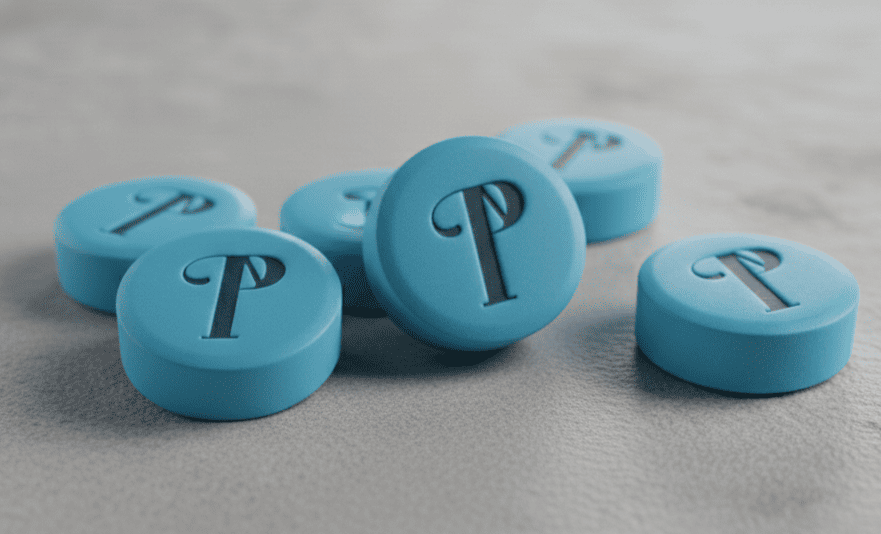
7-hydroxymitragynine, commonly called 7-OH, is a naturally occurring kratom alkaloid found in its leaves that can absolutely cause physical dependence.
While it exists in very small quantities in the plant (typically less than 0.05% of dried leaf), it is the most pharmacologically active compound in kratom. Yet, what makes 7-OH particularly concerning is its potent interaction with mu-opioid receptors.
7-OH vs. Kratom: Differences
The 7-OH kratom vs. kratom difference lies primarily in potency and concentration. Regular kratom products contain mostly mitragynine with trace amounts of 7-OH, producing milder effects. However, many commercial “enhanced” or “extract” products contain artificially elevated levels of 7-OH, sometimes several times higher than they occur naturally.
This concentration makes 7-OH products significantly more likely to cause rapid tolerance and dependence. Users can progress from occasional use to physical dependence much faster with concentrated 7-OH products than with traditional kratom leaf. The stronger the opioid receptor activation, the more quickly the body adapts and the more severe the resulting dependence becomes.
Unlike mitragynine (kratom’s primary alkaloid), 7-OH binds much more tightly to opioid receptors. According toresearch published in Nature, 7-hydroxymitragynine shows approximately five times greater binding affinity at mu-opioid receptors than mitragynine. This explains why even small amounts of this substance can produce powerful opioid-like effects.
How Tolerance Is Developed
Repeated exposure to 7-OH develops tolerance as the system adapts to the presence of this opioid-like substance. The body responds by decreasing natural endorphin production and increasing the number of opioid receptors. This neurochemical adaptation is what drives physical dependence; your chemistry changes to accommodate the regular presence of 7-OH.
Once dependent, your body can no longer function normally without the substance. This isn’t a matter of willpower or personal weakness; it’s a predictable biological response that happens to people who take substances that act on opioid receptors for an extended period. The body has adapted to rely on external opioid stimulation, and removing that stimulation triggers opioid withdrawal.
Physical vs. Psychological Dependence
There’s an important distinction between psychological and physical dependence.
Physical dependence means your body has adapted to the substance and needs it to function normally. Meanwhile, psychological dependence involves the mental and emotional attachment to using.
Many people assume that because kratom is plant-derived, it must be safer or less addictive than pharmaceutical opioids. This is misleading, as natural does not mean non-addictive.
The body doesn’t distinguish between “natural” and synthetic sources of opioid receptor stimulation; it only recognizes the chemical signal. 7-OH activates opioid receptors just as powerfully as many prescription medications, triggering the same cascade of neurological changes that lead to dependence.
Common 7-OH Kratom Withdrawal Symptoms
When someone dependent on 7-OH kratom stops using it, withdrawal symptoms emerge as the body struggles to function without the substance. These symptoms mirror traditional opioid withdrawal because 7-OH acts through the same neurological pathways.
Physical withdrawal symptoms commonly include:
- Muscle aches and joint pain
- Nausea and vomiting
- Diarrhea
- Excessive sweating and chills
- Runny nose and watery eyes
- Tremors and restlessness
- Fatigue and weakness
- Dilated pupils
Psychological symptoms often accompany the physical discomfort in the form of:
- Severe anxiety and panic
- Irritability and mood swings
- Depression
- Intense cravings for 7-OH or other opioids
- Insomnia and sleep disturbances
- Difficulty concentrating
- Emotional sensitivity
The severity of these kratom withdrawal symptoms depends on several factors, including the amount and duration of use, product potency, individual metabolism, and overall health. Those who have been using high-potency 7-OH products regularly typically experience more intense withdrawal than occasional users of standard kratom leaf.
7-Hydroxymitragynine Withdrawal Timeline

The 7-OH kratom withdrawal timeline follows a pattern, though individual experiences vary based on usage history, product strength, and individual factors. Knowing what to expect during these stages can help you prepare and seek appropriate support.
Early Stage (12-48 Hours)
Initial withdrawal symptoms typically begin within 12 to 48 hours of the last dose. This timing can vary; some people may notice symptoms within a few hours, while others may not experience them until the second day.
Early symptoms often start mild and gradually intensify. You might first notice restlessness, mild anxiety, yawning, and sweating. As time progresses, muscle aches emerge, along with nausea and flu-like symptoms. Cravings usually begin during this phase and can be quite intense, especially for those who used 7-OH products regularly.
Peak Stage (2-5 Days)
Withdrawal symptoms typically reach their maximum intensity between days 2 and 5; this is when most people experience the worst physical and psychological discomfort.
During this peak phase, muscle aches can become severe, gastrointestinal symptoms worsen, and sleep becomes nearly impossible. The psychological symptoms (anxiety, depression, and overwhelming cravings) often feel unbearable. Many people relapse during this phase simply because the discomfort seems intolerable and they lack proper medical support.
It’s worth noting that the peak phase can be more intense with 7-OH products compared to traditional kratom leaf, reflecting the greater disruption these concentrated products cause to the brain’s opioid system. According to the CDC research, calls to poison control centers related to kratom exposure have been common for years now, with many cases involving enhanced or extract products.
Post-Acute Phase (Weeks to Months)
Even after acute physical symptoms subside (usually within 5 to 10 days), many people experience post-acute withdrawal syndrome (PAWS). This extended phase is characterized by lingering symptoms that can persist for weeks or even months.
PAWS symptoms typically include depression, anxiety, low energy, sleep issues, and periodic cravings. These symptoms tend to come in waves rather than being constant; some days feel relatively normal, while others bring a return of discomfort and intense urges to use again.
How 7-OH Withdrawal Compares to Opioid Withdrawal
7-OH kratom withdrawal closely resembles traditional opioid withdrawal because both substances act on the same receptors. The similarity is so striking that someone experiencing 7-OH withdrawal very closely resembles traditional opioid withdrawal and can appear clinically similar.
Both types of withdrawal involve the same core symptoms, such as muscle aches, gastrointestinal distress, anxiety, insomnia, and powerful cravings. The timeline is also comparable, with symptoms beginning within hours to days, peaking around day 3, and gradually subsiding over the course of a week or more.
However, there are some differences in intensity. Regular kratom withdrawal feels somewhat milder than withdrawal from potent opioids like fentanyl or high-dose morphine, though this varies significantly based on the potency and quantity of 7-OH consumed. Concentrated products can cause withdrawal that rivals or even exceeds that of many prescription opioids.
Another key difference lies in perception and preparation. Many people don’t realize 7-OH kratom can cause severe opioid-like withdrawal because they view it as a “natural herb” rather than an opioid-acting substance. This lack of awareness means they’re often unprepared for the intensity of withdrawal symptoms when they try to quit.
Risks of Attempting to Quit 7-OH Kratom Without Medical Help
Trying to quit 7-OH kratom on your own carries several significant risks that most people underestimate, such as:
#1. High Relapse Rate
The overwhelming intensity of withdrawal symptoms drives most people back to using within days of stopping.
You might have strong willpower and genuine motivation, but the neurobiological changes that drive dependence remain in place even after the substance leaves your system. This creates persistent cravings and discomfort that make sustained abstinence nearly impossible.
#2. Dangerous Complications
While 7-OH kratom withdrawal itself is rarely life-threatening in healthy individuals, complications can arise. Severe dehydration from vomiting and diarrhea can become dangerous, especially if you’re unable to keep fluids down.
Depression and anxiety can also reach crisis levels, potentially leading to self-harm. Plus, people with underlying health conditions face additional risks during unsupervised withdrawal.
#3. Progression to Stronger Substances
Desperate to relieve withdrawal symptoms, some people turn to more potent opioids when 7-OH kratom is unavailable. This escalation can introduce you to substances like heroin or illicit fentanyl, increasing opioid overdose risk.
The tolerance developed to 7-OH can transfer to other opioids, meaning you might use dangerously high amounts of a new substance, thinking you need more to feel relief.
#4. Extended Recovery Without Addressing Root Causes
Even if you manage to get through acute withdrawal, traditional kratom detox doesn’t address the neurobiological imbalance that drives continued dependence.
Your endorphin-receptor system remains disrupted, leading to prolonged PAWS symptoms and persistent vulnerability to relapse. Months or even years later, cravings can persist.
#5. Psychological Distress
The psychological impact of severe withdrawal can be traumatizing and worsen pre-existing mental health conditions or trigger new ones. Without proper support and kratom dependence treatment, these 7-OH kratom effects can persist long after physical symptoms resolve.
Treatment Options for 7-OH Kratom Withdrawal
There are several approaches for managing 7-OH kratom withdrawal, but they differ in effectiveness.
- Traditional detoxification involves stopping 7-OH kratom use and managing withdrawal symptoms as they arise. Some detox programs provide supportive care, hydration, and symptom management medications. However, detox only removes the substance from your body; it doesn’t repair the underlying neurobiological changes that drive dependence.
- Medication-assisted treatment (MAT) involves substituting 7-OH kratom with pharmaceutical opioids like buprenorphine or methadone. While these medications prevent withdrawal symptoms, they don’t eliminate dependence but maintain it, which means you remain dependent on opioids, just a different, prescribed one.
- Accelerated Neuro-Regulation (ANR) offers a different approach by addressing the neurobiological root of opioid dependence. Rather than simply managing symptoms or substituting substances, ANR works to re-regulate the endorphin-receptor system to its pre-dependence state. This treatment modulates the opioid receptors while you’re under sedation in an ICU setting, restoring normal neurological function.
Key Takeaways
Knowing the basics about 7-OH kratom withdrawal is essential for anyone using these products, even those who believe their use is “under control.” The powerful opioid-like effects of 7-hydroxymitragynine lead to predictable neurobiological changes that cause physical dependence in everyone who uses it regularly.
Attempting to quit without medical help carries significant risks, including high relapse rates, potential complications, and progression to more dangerous substances. Therefore, make sure you pick the right approach to managing a withdrawal so that you taper off this substance in the long run and avoid 7-OH kratom overdose risks.
7-OH Kratom Withdrawal FAQ
#1. Is 7-OH stronger than regular kratom?
Yes, 7-OH is significantly stronger than regular kratom in terms of opioid receptor activity and has greater binding affinity at mu-opioid receptors compared to mitragynine, which is kratom’s primary alkaloid. This increased potency translates to faster tolerance development and higher 7-OH kratom addiction risk with concentrated 7-OH products.
#2. How long does 7-OH kratom withdrawal last?
7-OH kratom withdrawal typically lasts 5-10 days, with symptoms beginning within 12-48 hours, peaking around days 2-5, and gradually subsiding. However, many people experience post-acute withdrawal syndrome for weeks or months afterward, so the exact duration varies based on usage amount, product potency, and purification, as well as individual factors.
#3. Can 7-OH kratom withdrawal be dangerous?
7-OH kratom withdrawal is rarely dangerous or life-threatening, but complications can still occur. Severe dehydration from vomiting and diarrhea poses risks, particularly for those with underlying health conditions. Additionally, the psychological symptoms can also become dangerous, potentially leading to self-harm.