

The short answer to the question “Does kratom get you high?” is yes; it can produce euphoric effects similar to opioids.
However, many people don’t realize that those same effects that create the high also trigger changes in your brain that lead to dependence and withdrawal. Needless to say, it’s a cycle that’s incredibly difficult to break without addressing the underlying neurological damage.
What Is Kratom, and How Does It Work?
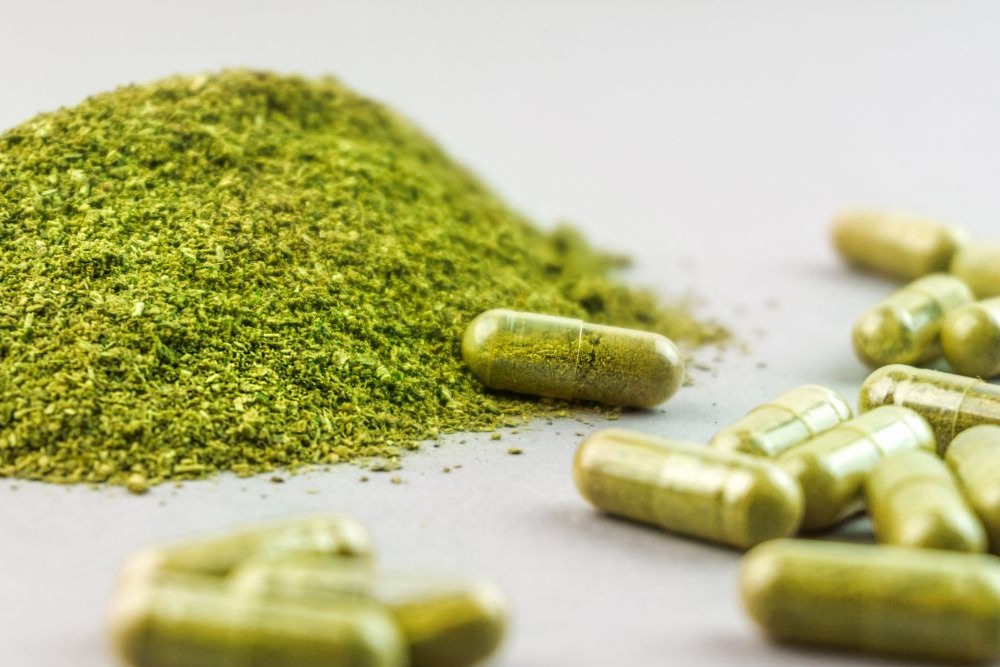
Kratom comes from the leaves of Mitragyna speciosa, a tree native to Southeast Asia. For centuries, laborers chewed the leaves for energy during long workdays. Today, it’s sold as powder, capsules, or tea in smoke shops and online, often marketed as a “safe” alternative to opioids.
Here’s the problem: kratom contains compounds called mitragynine and 7-hydroxymitragynine that bind to the same opioid receptors as morphine or heroin. When these compounds attach to your mu-opioid receptors, they trigger similar neurochemical responses. Your brain doesn’t distinguish between “natural” and synthetic opioids; it only recognizes the chemical signal.
This binding action disrupts your endorphin system, the delicate balance of natural chemicals that regulate mood, pain, and pleasure. Each time you use kratom, you’re forcing your system to rely on external substances rather than producing its own endorphins naturally.
Does Kratom Get You High?
The answer is yes; kratom does make you high. Low doses (1-5 grams) typically produce stimulant-like effects, such as increased energy, alertness, and sociability, leaving a person feeling talkative, motivated, and sometimes euphoric.
Higher doses (5-15 grams) shift toward sedation, pain relief, and a distinct kratom high feeling similar to prescription opioids.
The euphoria happens because kratom forces a surge of dopamine release in your brain’s reward center. You might feel waves of warmth, contentment, or disconnection from physical and emotional pain. There might also be a floating sensation or enhanced sensory experiences, which signal that your brain is responding to opioid receptor activation.
The same mechanism that creates this high is precisely what leads to kratom addiction and dependence. Your brain quickly adapts to these artificial surges, reducing natural endorphin production and creating tolerance; soon, you need kratom just to feel normal, let alone achieve that initial high.
Other Side Effects of Using Kratom
Beyond the high, kratom affects your body in numerous ways. The immediate effects depend heavily on dosage, strain, and individual chemistry, but users commonly experience:
Let’s check out some other side effects of using this substance:
- Nausea and vomiting, especially with higher doses or first-time use
- Constipation similar to that induced by opioids, as kratom slows digestive function
- Dizziness and confusion, particularly when standing up quickly
- Dry mouth and increased thirst due to dehydration
- Itching and sweating
- Loss of appetite and weight loss
- Increased heart rate
- Mood swings and irritability, as emotional regulation becomes difficult between doses
- Insomnia or drowsiness, depending on strain and timing
- Tremors or muscle tension, particularly during withdrawal periods
What makes these side effects particularly dangerous is their unpredictability. Since kratom products aren’t regulated, you never really know the potency or purity of what you’re taking. One batch might produce mild kratom effects; the next could land you in the emergency room with severe reactions.
Long-term use brings even more concerning changes. Users may develop dark spots on their cheeks (hyperpigmentation), experience significant weight loss, and report cognitive difficulties, including memory problems and difficulty concentrating. The liver takes a serious hit too; further research has shown there’s growing evidence linking chronic kratom use to liver injury and failure.
The Dangers of Chasing a Kratom High
Knowing how kratom affects the body is essential, as what starts as casual use can spiral into a relentless need to maintain normal functioning, rather than simply seeking pleasure. The following sections explain why chasing a kratom high can be harmful and what signs to watch for:
#1. Addiction and Dependence
Regular use increases the risk of dependence. This isn’t about willpower, family history, or personal circumstances; it’s neurology.
When you repeatedly activate opioid receptors with external substances, your endorphin system becomes dysregulated. Your brain stops producing adequate natural endorphins because it expects an external supply.
Within weeks of regular use, tolerance builds; as that initial dose stops working, you increase the amount, chase different strains, and dose more frequently. Before long, you’re not taking kratom to feel good, but to avoid feeling terrible.
The kratom withdrawal symptoms kick in within hours of your last dose, including anxiety, restlessness, muscle aches, a runny nose, insomnia, and intense cravings.
#2. Unregulated and Unsafe Products
The lack of regulation and legality of the use of this substance creates massive risks, as these products undergo zero quality control. Laboratory testing has found kratom products contaminated with Salmonella, E. coli, heavy metals, and even other drugs.
Some vendors spike their kratom with synthetic compounds to increase potency, while others use extraction methods that concentrate the active alkaloids to dangerous levels. You might think you’re taking the same dose as yesterday, but the actual potency could be wildly different, so there’s no way to know what you’re really consuming.
#3. Severe Withdrawal Symptoms

Kratom withdrawal isn’t just uncomfortable but also debilitating, as the acute phase starts 12-24 hours after your last dose and peaks around day three.
Physical symptoms mirror opioid withdrawal: severe muscle aches, bone pain, extreme fatigue, sweating, chills, and gastrointestinal distress. Yet, the psychological symptoms often prove worse: crushing anxiety, depression, irritability, and anhedonia.
Post-acute withdrawal syndrome (PAWS) from kratom can persist for months. Users may feel persistent fatigue, mood swings, sleep disturbances, and cognitive fog long after the acute withdrawal ends. These aren’t just bad days, but also the result of an endorphin system struggling to rebalance itself after being artificially manipulated.
#4. Potential Kratom Overdose Dangers and Interactions
While kratom overdose deaths remain relatively rare compared to other opioids, they’re still present. A CDC report covering 27,338 unintentional overdose deaths in 27 US states during July 2016–December 2017 found 152 deaths in which kratom was detected on toxicology, and 91 of those had kratom listed as a cause of death.
The real kratom toxicity often comes from mixing this drug with other substances. Combining kratom with alcohol, benzodiazepines, or other opioids dramatically increases overdose risk. Even seemingly harmless combinations, such as kratom with certain antidepressants, can trigger serotonin syndrome or dangerous blood pressure spikes.
Kratom also interacts with numerous medications by affecting liver enzymes responsible for drug metabolism. If you’re taking prescription medications for any condition, adding kratom to the mix creates unpredictable and potentially life-threatening interactions.
Why Self-Treating Opioid Withdrawal with Kratom Can Be Dangerous
Self-treating opioid withdrawal with kratom can be dangerous due to the serious consequences that using this substance can leave.
Many even think it’s a way to stop opioid addiction without professional help. The logic seems sound: use a “milder” opioid to step down from stronger ones. Yet, this approach fundamentally misunderstands the problem.
Here’s why self-treatment with kratom typically fails:
- You’re substituting one opioid for another. Your brain doesn’t distinguish between fentanyl, heroin, prescription painkillers, or kratom; they all activate the same receptors and perpetuate the same dependence. You’re not healing your endorphin system; you’re just switching the substance that’s damaging it.
- The underlying neurological imbalance remains unaddressed. Simply removing opioids from your system (whether through kratom, methadone, or cold turkey) doesn’t repair the endorphin system damage. Your brain still can’t produce adequate natural endorphins, which means cravings and withdrawal symptoms persist indefinitely. This is why people relapse months or even years after getting “clean.”
- Unregulated dosing creates new problems. At least with prescription medications, you know the exact dose and purity. With kratom, you’re essentially experimenting on yourself with unknown quantities of active compounds. Many people end up more dependent on kratom than they were on their original opioid.
The truth is, kratom dependence treatment requires the same comprehensive medical actions as any other opioid dependency. The only difference is that you might have started with the false belief that this “natural” substance was somehow safer or easier to quit.
When to Ask for Help
You should ask for help if you’re reading this article while mentally calculating when you took your last kratom dose, or if you’ve tried quitting but couldn’t handle the withdrawal. The changes aren’t a character flaw; they’re measurable, physical alterations that require medical intervention.
If you or a loved one is struggling with kratom dependence or opioid withdrawal, know that you don’t have to face it alone. ANR Clinic provides physician-directed hospital care and clinical support focused on resolving the biological drivers of opioid dependence. Reach out today to speak with a caring team that understands what you’re going through.
Key Takeaways
As you can see, kratom absolutely gets you high, through the same opioid receptor activation as any other opioid. That seemingly mild euphoria or energy boost comes at a steep price: a dysregulated endorphin system that leaves you dependent and suffering.
Kratom isn’t a harmless herb or a safe alternative to other opioids. It’s an unregulated substance that creates the same dependence, the same withdrawal, and the same long-term neurological changes. Therefore, knowing that it affects your brain just like any other opioid is the first step toward recognizing when professional medical treatment becomes necessary.