

Rapid detox is marketed aggressively across regions with heavy opioid burdens. This guide frames what “rapid detox” means, summarizes where similar programs cluster in the United States, and contrasts those approaches with Accelerated Neuro-Regulation (ANR).
What Is Rapid Detox?
Rapid detox, also known as ultra-rapid detox and anesthesia-assisted opioid detoxification, combines sedation or anesthesia with medications designed to provoke withdrawal rapidly while the patient is unconscious or heavily sedated. Programs promise compressed timelines versus conventionally paced medical detox—often advertised as completion within hours to a couple of days.
If you compare expectations to medically supervised opioid detox that unfolds over longer observation windows, rapid detox sounds faster and less traumatic; that framing drives much of the domestic search volume captured on this overview.
Exploring Rapid Detox Centers Across the US
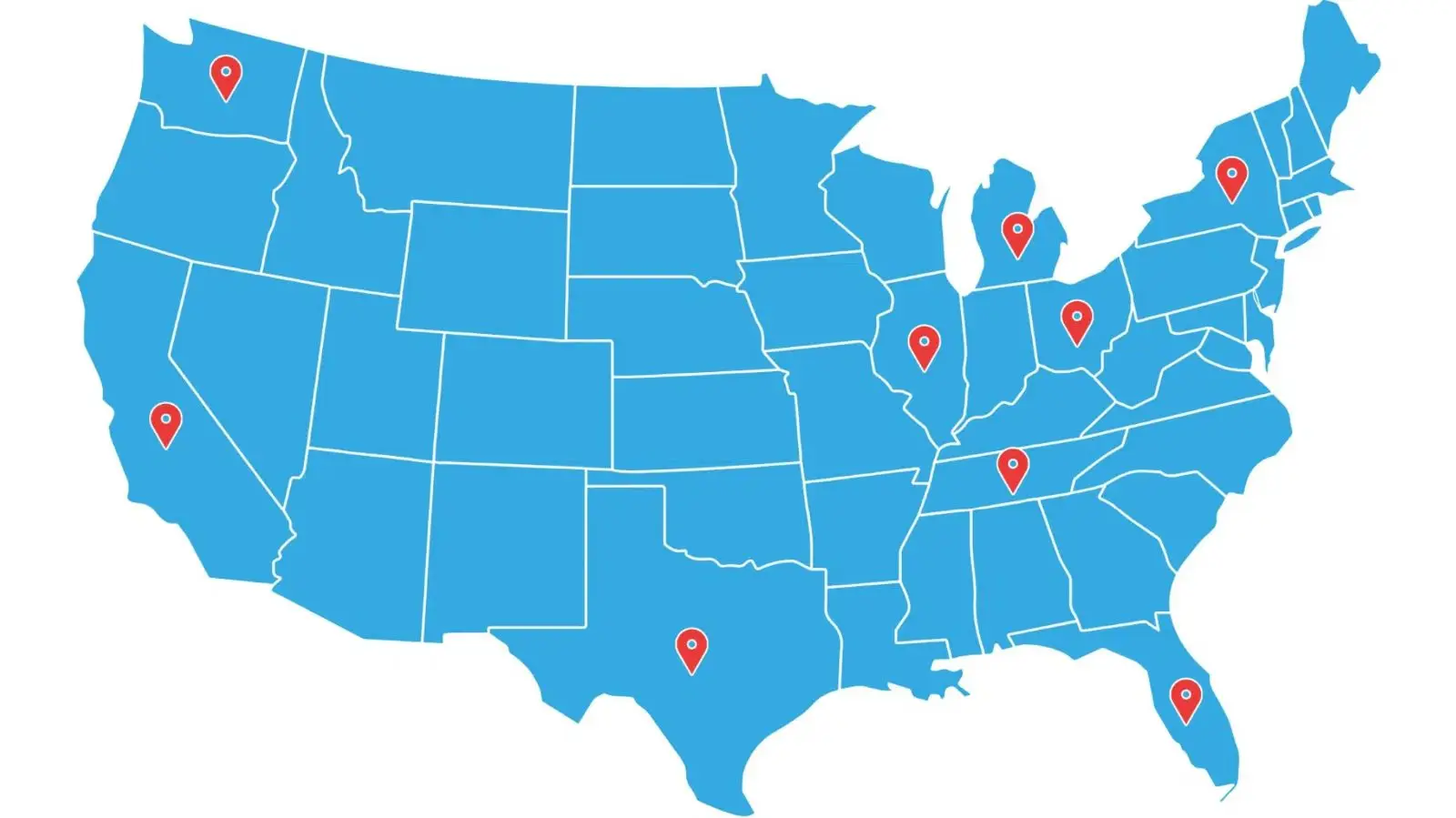
Here’s a regional snapshot—including California, Florida, and Michigan—as patients often search geographically after learning the marketing term.
#1. Rapid Detox in California
California hosts numerous programs, especially throughout Greater Los Angeles, where overdose burden is high (state-level overdose statistics contextualize statewide mortality trends). Interest in anesthesia-assisted detox tracks public awareness of the crisis intensity.
#2. Rapid Detox in Florida
California historically leads absolute overdose deaths; Florida perennially ranks high as well—in part why both states show dense digital advertising for sedation-assisted detox—even though sedation approaches differ drastically from neuroscience-based stabilization.
#3. Rapid Detox in Texas
Texas houses major medical complexes; demand for opioids and treatment access is large (historic CDC surveillance documented massive state-level need). Despite that infrastructure, sedation-assisted rapid detox is not pervasive statewide.
#4. Rapid Detox in New York
New York’s overdose burden motivates broad treatment-seeking—but most licensed programs emphasize structured medical detox rather than sedation marketing.
#5. Rapid Detox in Ohio
Ohio’s mortality wave made residents early targets of rapid-detox advertisements; sedation offerings remain comparatively narrow versus medical detox footprints.
#6. Rapid Detox in Los Angeles
Los Angeles is a hotspot for sedation-assisted opioid detox listings—paired with affluent marketing channels—see our dedicated Los Angeles rapid detox breakdown.
#7. Rapid Detox in Michigan
Michigan’s industrial metros host varied detox footprints; sedation-assisted rapid protocols appear alongside conventional inpatient detox programs.
#8. Rapid Detox in Chicago
Chicago overdose metrics remain severe—yet sedation-assisted rapid detox is not uniformly available inside city limits; travelers often reconsider Florida-based science-driven options—see our Chicago overview.
#9. Rapid Detox in Washington State
Washington’s Evergreen corridors favor evidence-based stabilization and agonist taper strategies more frequently than sedation marketing—expanded in Washington rapid detox specifics.
#10. Rapid Detox in Tennessee
Tennessee’s urban detox centers historically warned about sedation-associated risks publicly—consistent with skepticism articulated in statewide clinical guidance narratives.
What Other Kind of Treatments Are There Besides Rapid Detox?
Traditional spectrum spans structured medication-assisted treatment (MAT), inpatient medical detox tapering, partial hospitalization, residential rehab—each managing withdrawal timelines differently—but without necessarily reversing receptor-level dysregulation driving relapse.
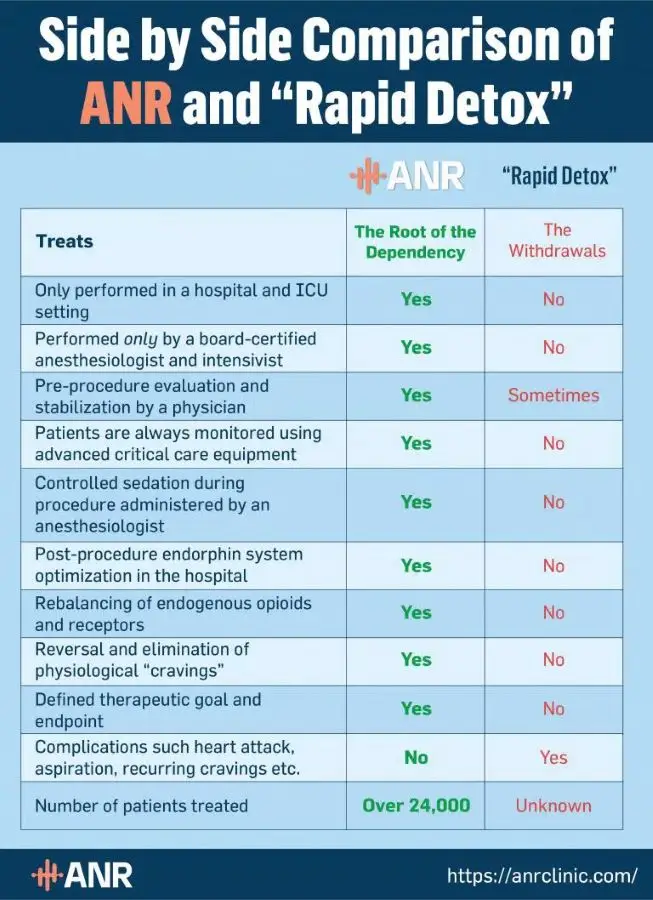
Accelerated Neuro-Regulation (ANR) differs by targeting imbalance between endogenous endorphins and opioid receptor hypersensitivity—the neurobiologic substrate of cravings post-detox—not merely shortening acute withdrawal symptom duration under sedation.
What Is ANR Treatment?
ANR modulates opioid receptor physiology under deep hospital anesthesia supervised by ICU-level teams to return central regulation toward pre-dependence baselines rather than chemically shocking the system awake under lighter sedation without concurrent physiologic normalization.
Why You Should Travel to Florida and Choose the ANR Treatment
- Safety layering in accredited hospital environments vs. sedation suites whose clinical standards diverge geographically.
- High volume experience across thousands of stabilized patients worldwide.
- Cost coherence when relapse after repeated detox loops accumulates unmanaged.
- Short inpatient footprint relative to elongated rehab rotations absent physiologic correction.
How to Access ANR Treatment
Begin via complimentary consultation routing—clinical intake clarifies anesthesia candidacy & cardiometabolic stratification identical to perioperative anesthesia safety models.
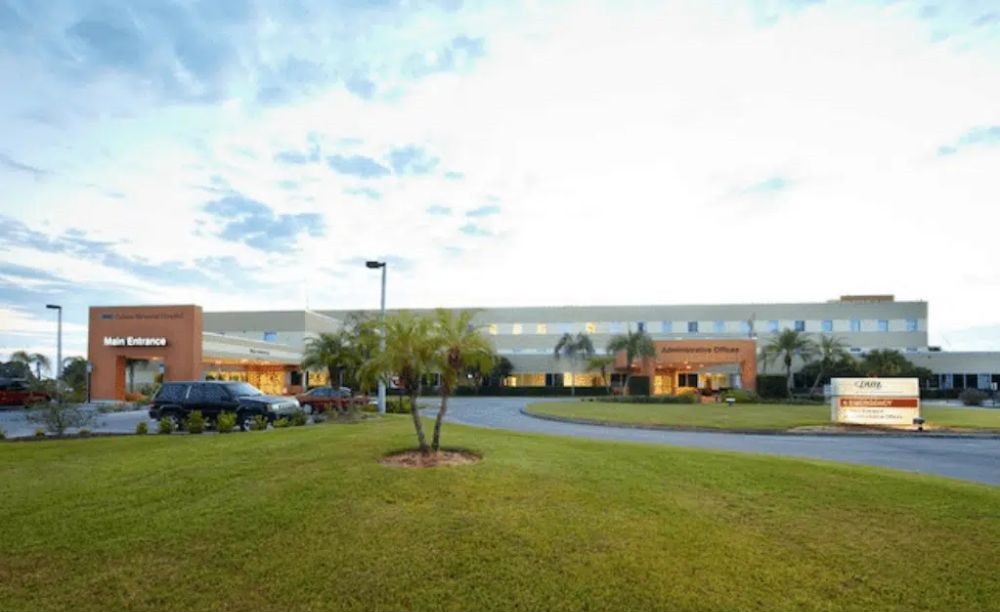
Primary U.S. hospital site: DeSoto Memorial (Arcadia, Florida). International ANR Centers exist outside North America—coordinate travel nursing logistics through intake.
Start Your Recovery Today With ANR Treatment
Dependent physiology can persist chronically—even when external opioids clear—until receptor systems recalibrate. ANR concentrates that reset into a medically governed window versus prolonging sedation withdrawal cycling.
Rapid Detox Locations FAQ
1. How does rapid detox differ from ANR?
Rapid detox differs from ANR—these approaches have different goals and outcomes. Rapid detox speeds detoxification and clears opioids quickly. ANR repairs opioid-related changes in brain regulation to support lasting recovery and addresses relapse differently than detox alone.
2. How much does rapid detox cost?
Rapid detox can cost tens of thousands of dollars, and pricing varies widely by location and facility. Rapid detox focuses on accelerated withdrawal—not comprehensive repair of opioid dependence physiology—so costs may recur if relapse occurs.
3. Is ANR treatment safe?
Patient safety is central to ANR. Care is individualized to medical history. Learn more under Is ANR safe?.
4. How much does ANR treatment cost?
Pricing includes evaluation, procedure, and coordinated follow-up. We also offer several financing options to qualified patients.
5. Are there ANR treatment centers near me?
U.S.-based patients currently receive ANR in Florida at an accredited hospital setting. Additional ANR centers are available internationally—contact us about travel planning.
6. How do I book an appointment with ANR?
Contact our team anytime at 813-750-7470 or schedule through our contact page. Communication is confidential.