

An opioid overdose is by far the most considerable risk anyone who takes opioids faces, and this applies even to those who take them just as the doctor prescribed. After all, accidentally taking an extra pill is sometimes all it takes to induce an opioid overdose.
This article will give you the information you need to prevent, recognize, and treat an opioid overdose. In other words, you’ll learn more about causes, risk factors, signs and symptoms, tips for preventing an opioid overdose, and more.
What Are Opioids?

Opioids are drugs that relieve pain by interacting with opioid receptors found in the central nervous system. They are usually prescribed to treat moderate to severe acute or chronic pain when other types of painkillers aren’t effective enough.
Depending on their origin, opioids can be natural (e.g., morphine), semi-synthetic ( oxycodone, hydrocodone, etc.), or synthetic (such as methadone and tramadol).
Essentially, opioids reduce the sensation of pain by preventing pain signals from entering the brain. At the same time, they stimulate dopamine production, thus inducing a pleasurable, euphoric state.
This, along with the fact that they decrease endorphin production and increase the number of opioid receptors, is precisely why opioids can be so addictive: our brains are programmed to repeat behaviors that trigger dopamine release.
These medications should not be taken in larger quantities or longer than recommended because they may cause you to overdose. Unfortunately, the lives of over 80,000 Americans were lost to opioid overdose in 2021 alone.
The Effects of Opioids
Aside from pain relief and euphoria, the effects of opioids include:
- Nausea
- Drowsiness
- Constipation
- Disorientation
- Difficulty breathing
What is an Opioid Overdose?
An opioid overdose is defined by the NIH as an “amount of drug that is more than what should be taken at one time”. Since opioids affect the part of your brain that is responsible for regulating your breathing, an opioid overdose often results in breathing difficulties and respiratory depression.
Like any drug overdose, an opioid overdose can happen within minutes of taking the drug and have potentially life-threatening consequences, including:
- Loss of consciousness
- Decreased heart rate
- Coma
- Brain damage
- Death
Most importantly, the severity of these outcomes can be minimized by treating the opioid overdose right away. Typically, opioid overdose treatment involves administering naloxone immediately after the overdose occurs. Since it temporarily reverses an opiate overdose, naloxone is critical to preventing the person from dying until they receive medical help. Learn more: naloxone vs naltrexone.
What Causes an Opioid Overdose?
An opioid overdose can be caused by:
- Taking opioid medication prescribed for someone else
- Taking a larger dose than prescribed by a doctor
- Taking an extra dose of opioid medication by accident
- Mixing opioids with alcohol or other drugs, especially medication used to treat anxiety, sleeping pills, etc.
- Taking prescription or illicit opioids for non-medical purposes, such as getting high
- Taking opioids not as intended (for example, crushing extended-release pills instead of swallowing them)
In other words, an opioid overdose can be caused by opioid misuse or abuse. Recently, many overdoses have happened due to very potent opioids like fentanyl being mixed in with other drugs or substituted altogether. This is often done without the knowledge of the user, putting them at an even greater risk of overdose and death.
Risk Factors for an Opioid Overdose
Although taking opioids as prescribed reduces the risk of a drug overdose, anyone who uses opioids can overdose on them.
That said, there are certain things that can increase the likelihood of someone falling victim to a drug overdose, including:
- Injecting opioids
- Taking high-dose prescription opioids
- Switching to stronger opioid drugs
- Using drugs of unknown composition, purity, quality, and strength
- Taking opioids after a period of abstinence
Who is at Risk of Opioid Overdose?
Besides the above-mentioned factors, the risk of an opioid overdose is heightened for people who:
- Suffer from an opioid use disorder (OUD)
- Have a history of sleep apnea, reduced kidney, lung, or liver function, or mental health conditions
- Are older than 65 years old
- Are male
- Have a low socio-economic status
It’s also important to note that people who have abstained from opioids for some time can overdose due to decreased opioid tolerance. Unfortunately, it isn’t uncommon for people to relapse and overdose after rapid detox and similar treatments.
Opioid Overdose Signs and Symptoms
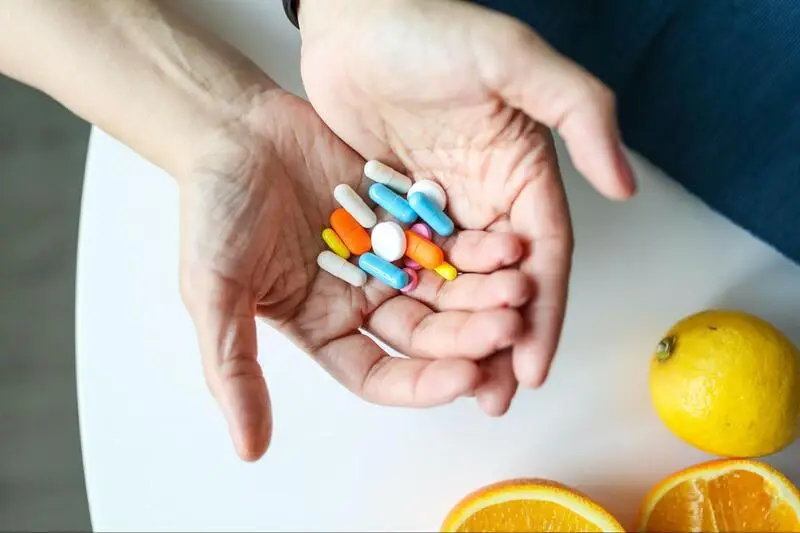
Recognizing an opioid overdose is crucial to prevent severe harm and death, but it isn’t always easy. Sometimes, it may be difficult to discern the signs of an opioid overdose from a very strong high.
With that in mind, here are the most common opioid overdose symptoms you should look out for:
- Constricted pin-point pupils
- Falling asleep or loss of consciousness
- Shallow, slow, or stopped breathing
Other common opioid overdose symptoms include:
- Difficulty staying awake, talking, or moving
- Limp body
- Unresponsiveness
- Choking or gurgling sounds
- Vomiting
- Slowed heartbeat
- Pale, blue, clammy, or cold skin
- Discolored lips or nails
- Confusion
If you notice any of these signs of an opioid overdose, it’s best to assume that the person is experiencing an overdose and immediately call 911.
If possible, administer naloxone to prevent death. Also, call for medical help even if you have naloxone, as sometimes a single dose isn’t enough to reverse an opioid overdose. If the person has difficulty breathing, perform CPR to increase their chances of survival.
Opioid Overdose Prevention
Taking opioids safely and responsibly is key to preventing an opioid overdose.
If you take opioids, here are some practical tips that can help minimize the risk of an opioid overdose:
- Take the medication exactly as prescribed by your doctor.
- Don’t drink alcohol while taking opioids.
- Consult with your doctor before taking other types of medication with opioids.
- Store drugs away from children and pets.
- Inform your family members that you’re taking opioids and create an overdose plan.
- If possible, carry naloxone and make sure your friends and family know about it.
Most importantly, never take opioids alone. If your friends or family can’t stay with you, call the Never Use Alone hotline.
Opioid Addiction
As mentioned above, opioid use disorder (or OUD) is among the main risk factors for an opioid overdose.
Although opioids are powerful pain relievers, besides alleviating pain, they carry a risk of dependency. While this risk can be minimized by taking opioids as prescribed, taking opioids outside of instructed use can easily lead to increased tolerance, a loss of interest in activities other than drug use, and other opioid addiction symptoms, including withdrawal symptoms.
Muscle aches, vomiting, and sweating are just a few uncomfortable withdrawal symptoms that people dependent on opioids experience when they don’t take the drug. This is the time when many opioid users can fall victim to an opioid overdose, as they may seek drugs, including illegal opioids like heroin, to relieve their pain and withdrawal symptoms.
Who is at Risk of Addiction?
While opioid addiction doesn’t discriminate and can affect anyone, the following factors can increase the risk of becoming dependent on opioids:
- Personal or family history of substance abuse
- Unemployment
- Low socio-economic status
- Young age
- Mental health conditions, such as depression and anxiety
ANR Opioid Dependence Treatment

Performed in an ICU setting by qualified medical professionals, Accelerated Neuro-Regulation is a groundbreaking opioid dependency treatment. It is not only highly effective but also safe and suitable for virtually anyone, including people with complex medical conditions.
The key to the success of the ANR treatment stems from the fact that, unlike traditional opioid dependence treatments, it doesn’t simply counteract the effects of opioid withdrawal.
Instead, the ANR treatment tackles opioid addiction at its core by restoring the brain’s endorphin-receptor system to its natural state. As a result, it negates the risk of relapse and, in turn, opioid overdose.
What’s more, ANR doesn’t involve opioid-replacement drugs, such as methadone, that might also lead to addiction and overdose.
The ANR Clinic is devoted to fighting the global opioid epidemic and helping people around the world return to an opioid-free life. You can find ANR centers in Europe, South America, and North America.
Key Takeaways
Hopefully, you found this article useful. Now you should know everything you need to prevent and treat an opioid overdose.
Lastly, here’s a quick summary of the main points we discussed:
- Opioid misuse and abuse, including taking other people’s medication and mixing opioids with other substances, are the main causes of an opioid overdose.
- An opioid overdose can affect anyone, but people who inject opioids, use them after a break, or take high doses are at increased risk.
- Loss of consciousness, constricted pupils, and difficulty breathing are tell-tale signs of an opioid overdose.
- You can prevent an opioid overdose by only taking opioids as prescribed and around other people.
Opioid Overdose FAQ
1. What is the first thing you should do if you suspect an opioid overdose?
Call 911 immediately. If you have naloxone, administer it while you wait for emergency help, and continue to seek medical care even after naloxone because multiple doses are sometimes needed.
2. Can you overdose on opioids if you take them exactly as prescribed?
Yes. Anyone who uses opioids can overdose, including when taking medication as directed— for example, after an accidental extra dose or when medications interact.
3. What does naloxone do in an opioid overdose?
Naloxone temporarily reverses life-threatening opioid effects such as dangerously slow breathing; it buys time until professional medical treatment arrives.
4. Why is relapse after abstinence especially risky for overdose?
After a period without opioids, tolerance drops. Taking a dose that once seemed “normal” can overwhelm the body— a major reason relapse is tied to overdose risk.
5. How does ANR differ from opioid-replacement therapies for dependence?
ANR aims to normalize the brain’s endorphin–opioid receptor balance rather than relying on drugs like methadone that replace one opioid with another.
Additional Information