
'%3e%3cpath%20id='Vector'%20d='M12.8358%209.86989V11.6199C12.8364%2011.7824%2012.8032%2011.9432%2012.7381%2012.092C12.673%2012.2409%2012.5775%2012.3745%2012.4578%2012.4843C12.3381%2012.5941%2012.1968%2012.6778%2012.0429%2012.7298C11.889%2012.7819%2011.7259%2012.8012%2011.5641%2012.7866C9.7691%2012.5915%208.04486%2011.9781%206.52994%2010.9957C5.12051%2010.1001%203.92556%208.90516%203.02994%207.49573C2.0441%205.97393%201.43058%204.24131%201.23911%202.43823C1.22453%202.27692%201.2437%202.11434%201.2954%201.96084C1.3471%201.80735%201.43019%201.6663%201.53939%201.54667C1.64859%201.42705%201.7815%201.33147%201.92965%201.26603C2.07781%201.20059%202.23798%201.16671%202.39994%201.16656H4.14994C4.43304%201.16377%204.70749%201.26402%204.92214%201.44862C5.13679%201.63322%205.27699%201.88957%205.31661%202.16989C5.39047%202.72993%205.52746%203.27982%205.72494%203.80906C5.80343%204.01785%205.82041%204.24476%205.77389%204.46291C5.72736%204.68105%205.61928%204.88129%205.46244%205.03989L4.72161%205.78073C5.55202%207.24113%206.76121%208.45032%208.22161%209.28073L8.96244%208.53989C9.12104%208.38306%209.32128%208.27497%209.53943%208.22845C9.75758%208.18192%209.98449%208.19891%2010.1933%208.27739C10.7225%208.47488%2011.2724%208.61186%2011.8324%208.68573C12.1158%208.7257%2012.3746%208.86843%2012.5596%209.08677C12.7446%209.3051%2012.8429%209.58381%2012.8358%209.86989Z'%20stroke='var(--stroke-0,%20%23F58B6E)'%20stroke-width='1.16667'%20stroke-linecap='round'%20stroke-linejoin='round'/%3e%3c/g%3e%3cdefs%3e%3cclipPath%20id='clip0_0_9'%3e%3crect%20width='14'%20height='14'%20fill='white'/%3e%3c/clipPath%3e%3c/defs%3e%3c/svg%3e) Call Now
Call Now
95%
Prior Treatment Failures
The vast majority of ANR patients arrive after several unsuccessful attempts with traditional rehabs. Detox or behavioral therapy alone cannot fix a neurological condition.
The Science of Lasting Freedom
The world-renowned ANR procedure treats the biological root of opioid dependency — restoring your endorphin–opioid receptor system so you can live free from withdrawals, cravings, and the cycle of relapse.
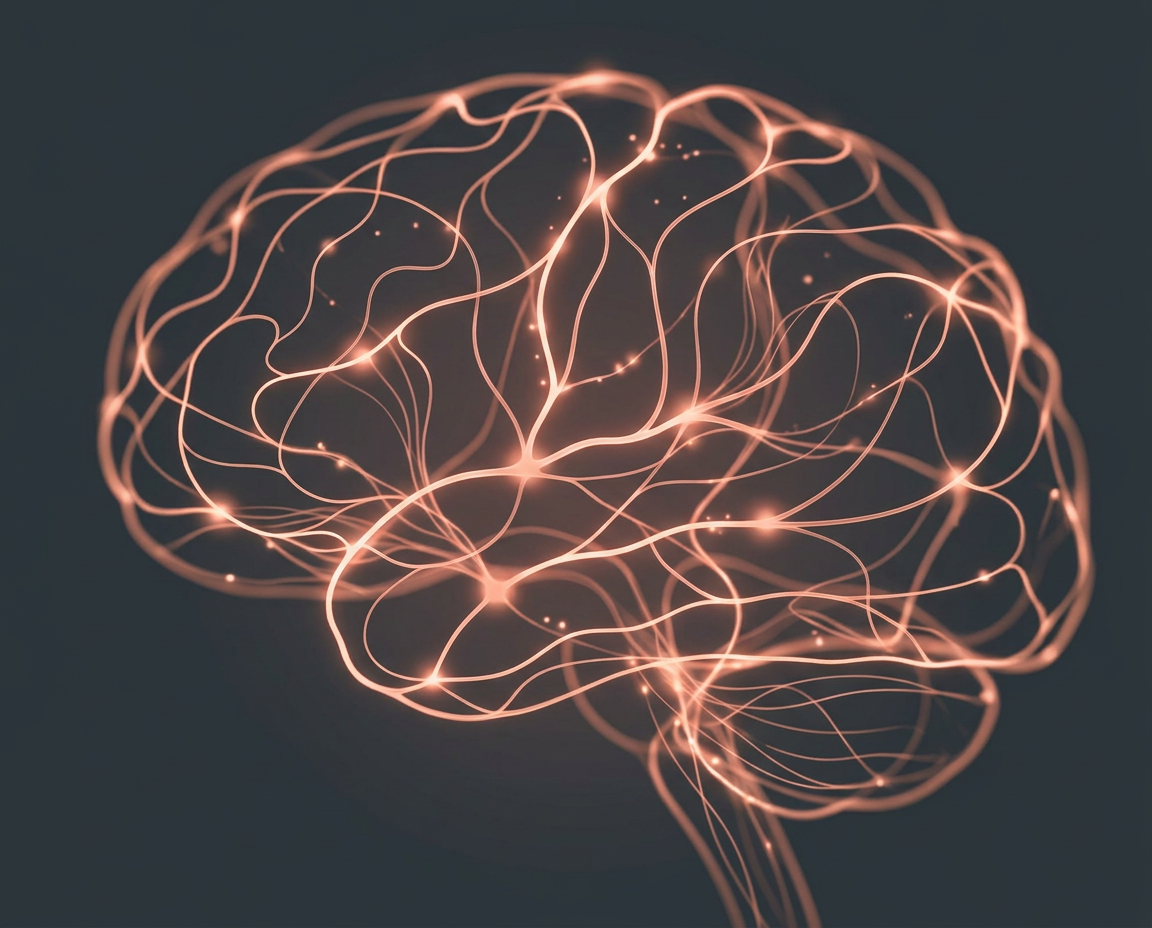





Traditional treatments focus on symptom management while leaving the root cause untouched. As a result, patients relapse.
95%
Prior Treatment Failures
The vast majority of ANR patients arrive after several unsuccessful attempts with traditional rehabs. Detox or behavioral therapy alone cannot fix a neurological condition.
75%
Post-Rapid Detox Relapse
Rapid detox alone fails, with roughly 75% to 90% relapsing within months to a year. Detox alone does not treat the underlying condition.
∞
Years Stuck on MAT
Medication-assisted treatment replaces one opioid with another; it does not end opioid dependency. It prolongs it, often indefinitely.
The ANR Difference
Dr. Waismann pioneered rapid detox in the 1990s, then recognized its limitations and developed ANR as its scientifically superior successor. ANR is the only addiction treatment designed exclusively for opioid dependency.
'%20stroke-width='3'%20stroke-linecap='round'%20stroke-linejoin='round'/%3e%3cpath%20id='Vector_2'%20d='M7.5%204.5C6.70435%204.5%205.94129%204.81607%205.37868%205.37868C4.81607%205.94129%204.5%206.70435%204.5%207.5V16.5C4.5%2017.2956%204.81607%2018.0587%205.37868%2018.6213C5.94129%2019.1839%206.70435%2019.5%207.5%2019.5C7.89782%2019.5%208.27936%2019.658%208.56066%2019.9393C8.84196%2020.2206%209%2020.6022%209%2021V22.5C9%2023.2956%208.68393%2024.0587%208.12132%2024.6213C7.55871%2025.1839%206.79565%2025.5%206%2025.5C5.60218%2025.5%205.22064%2025.658%204.93934%2025.9393C4.65804%2026.2206%204.5%2026.6022%204.5%2027V30C4.5%2030.3978%204.65804%2030.7794%204.93934%2031.0607C5.22064%2031.342%205.60218%2031.5%206%2031.5C8.38695%2031.5%2010.6761%2030.5518%2012.364%2028.864C14.0518%2027.1761%2015%2024.8869%2015%2022.5V7.5C15%206.70435%2014.6839%205.94129%2014.1213%205.37868C13.5587%204.81607%2012.7956%204.5%2012%204.5H7.5Z'%20stroke='var(--stroke-0,%20%23F58B6E)'%20stroke-width='3'%20stroke-linecap='round'%20stroke-linejoin='round'/%3e%3c/g%3e%3c/svg%3e)
We have identified the biological roots of opioid dependency. Modulation of the endorphin receptor system is the new standard of treatment.
Dr. Andre Waismann
Developer of ANR · 30+ Years in Addiction Medicine
'%3e%3cpath%20id='Vector'%20d='M10%2018.3333C14.6024%2018.3333%2018.3333%2014.6024%2018.3333%2010C18.3333%205.39763%2014.6024%201.66667%2010%201.66667C5.39763%201.66667%201.66667%205.39763%201.66667%2010C1.66667%2014.6024%205.39763%2018.3333%2010%2018.3333Z'%20stroke='var(--stroke-0,%20%23F58B6E)'%20stroke-width='1.66667'%20stroke-linecap='round'%20stroke-linejoin='round'/%3e%3cpath%20id='Vector_2'%20d='M7.5%2010L9.16667%2011.6667L12.5%208.33333'%20stroke='var(--stroke-0,%20%23F58B6E)'%20stroke-width='1.66667'%20stroke-linecap='round'%20stroke-linejoin='round'/%3e%3c/g%3e%3cdefs%3e%3cclipPath%20id='clip0_0_35'%3e%3crect%20width='20'%20height='20'%20fill='white'/%3e%3c/clipPath%3e%3c/defs%3e%3c/svg%3e)
Treats root cause: Restores your endorphin–opioid receptor system to its pre-dependency state
ICU-level safety: Board-certified anesthesiologists with continuous critical care monitoring
No withdrawal: The procedure happens while you're under sedation
No maintenance medications: Achieve true biological independence — not dependency transfer
Individualized protocol: No two patients are treated identically; real-time adjustment to your unique physiology
25,000+
Patients Treated Worldwide
91%
Long-Term Success Rate
4
International ANR Centers
30+
Years of Clinical Excellence
Your Path to Freedom
The therapeutic goal of ANR is endorphin system repair. This process ensures real, lasting results, freeing you from the cycle of dependency.
Our medical team works with the patient to optimize their health, adjust opioid dosing, and prepare them for the procedure. Regular check-ins ensure you're in the best possible condition for admission.
During the ANR procedure, you are under sedation and feel no withdrawal. Your endorphin–opioid receptor system is re-regulated to its pre-dependency equilibrium. The procedure typically lasts 4–6 hours, with a total hospital stay of approximately 36 hours.
Post-discharge, our team guides your recovery with tools to stabilize your restored endorphin system. This typically takes 2–3 days. Your naltrexone regimen begins, helping safeguard your progress.
As you return to life free from dependency, our team continues to work with you on lifestyle changes that optimize your endorphin system for lasting success.
How ANR Works

True Neurological Healing
ANR repairs the neurological changes caused by opioids while you're under sedation. You wake up with no cravings, no withdrawal, no ongoing struggle.

Days to Freedom, Not Months
36 hours in the hospital. 3 days of follow-up. No long-term facility stays. No putting your life on hold.

Opioid Dependency Experts
Unlike addiction centers that treat everything, we focus solely on opioid dependency. 30+ years of specialized research. 25,000+ opioid patients treated. This is all we do and we do it better than anyone.
Real patient stories. Real transformation.
See Testimonials'%20stroke-width='1.16667'%20stroke-linecap='round'%20stroke-linejoin='round'/%3e%3cpath%20id='Vector_2'%20d='M7%202.91667L11.0833%207L7%2011.0833'%20stroke='var(--stroke-0,%20white)'%20stroke-width='1.16667'%20stroke-linecap='round'%20stroke-linejoin='round'/%3e%3c/g%3e%3c/svg%3e)
What Experts Say
“It is important to emphasize that the treatment has a solid scientific background. The proof for its success relies on the fact that 100% of the patients overcome the physical opiate dependency. Dr. Waismann’s clinic uses a technology that grants every patient the opportunity to start a new life free of opioid addiction.”
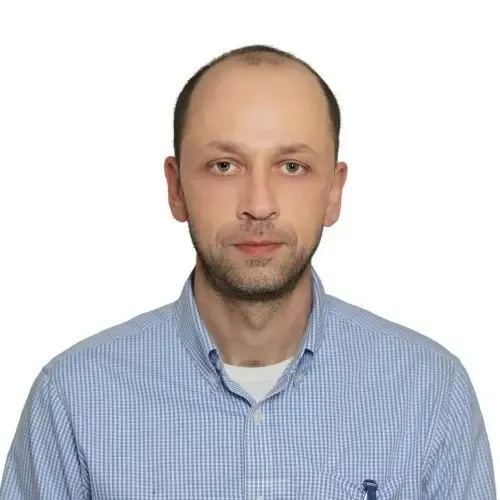
“Based on our cumulative experience, we have observed that ANR leads to rapid and significant clinical improvement. Among patients who complete the protocol, long-term adherence and opioid-free stability have been observed consistently in around 90% of patients.”
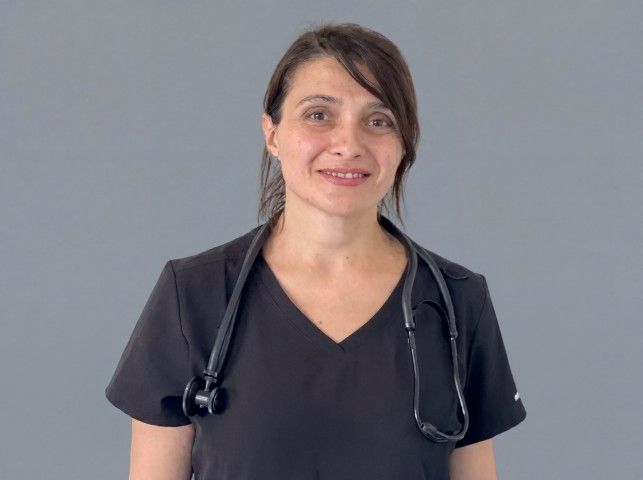
“ANR has represented a meaningful transformation in the approach to opioid dependence treatment in Brazil, offering an innovative and effective alternative to traditional long-term detoxification and substitution therapies. ANR has expanded therapeutic possibilities, allowing patients to achieve stabilization and functional recovery in a significantly shorter timeframe.”
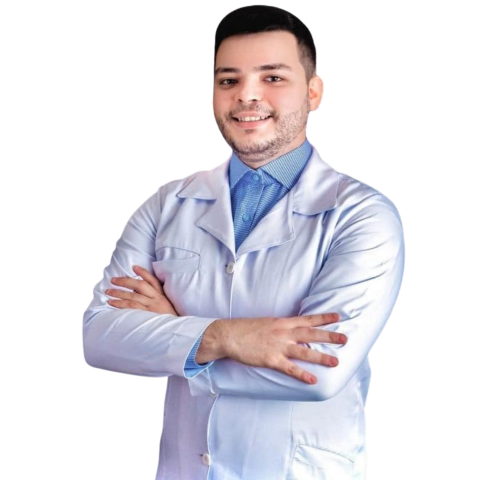
“The only one to answer was Dr. Andre Waismann. He not only offered advice but asked me to send him the boy’s case history. He then rang back and offered to come here, to assemble a medical team who could assist and learn from him, and to operate on Endriss free of charge.”

“ANR has shown to be an essential step towards offering opiate addicts a full treatment for a potentially lethal condition. Among the existing therapies, ANR is the only one that proposes an effective way of winning over withdrawal syndrome.”
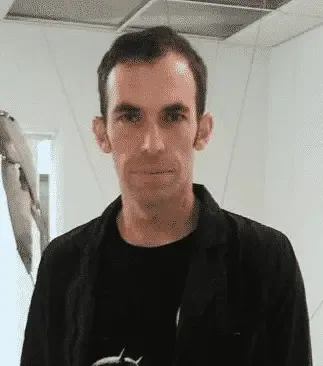
“Dr. Waismann focuses the team meticulously on every detail of the treatment. He assures a desired outcome for the patients of neuro-regulation to achieve the therapeutic goal of neuro-equilibrium. We are privileged to be working with Dr. Waismann in his mission to free people from opioid addiction...”
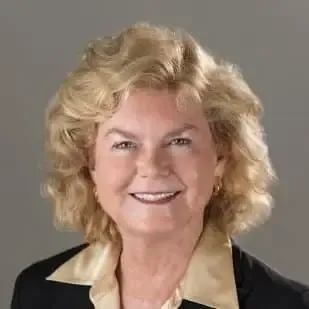
“ANR Treatment had tremendous success when it performed here in Romania. Patients were successfully treated and freed from their dependency. Even with a selection of the worst cases, the results were excellent.”
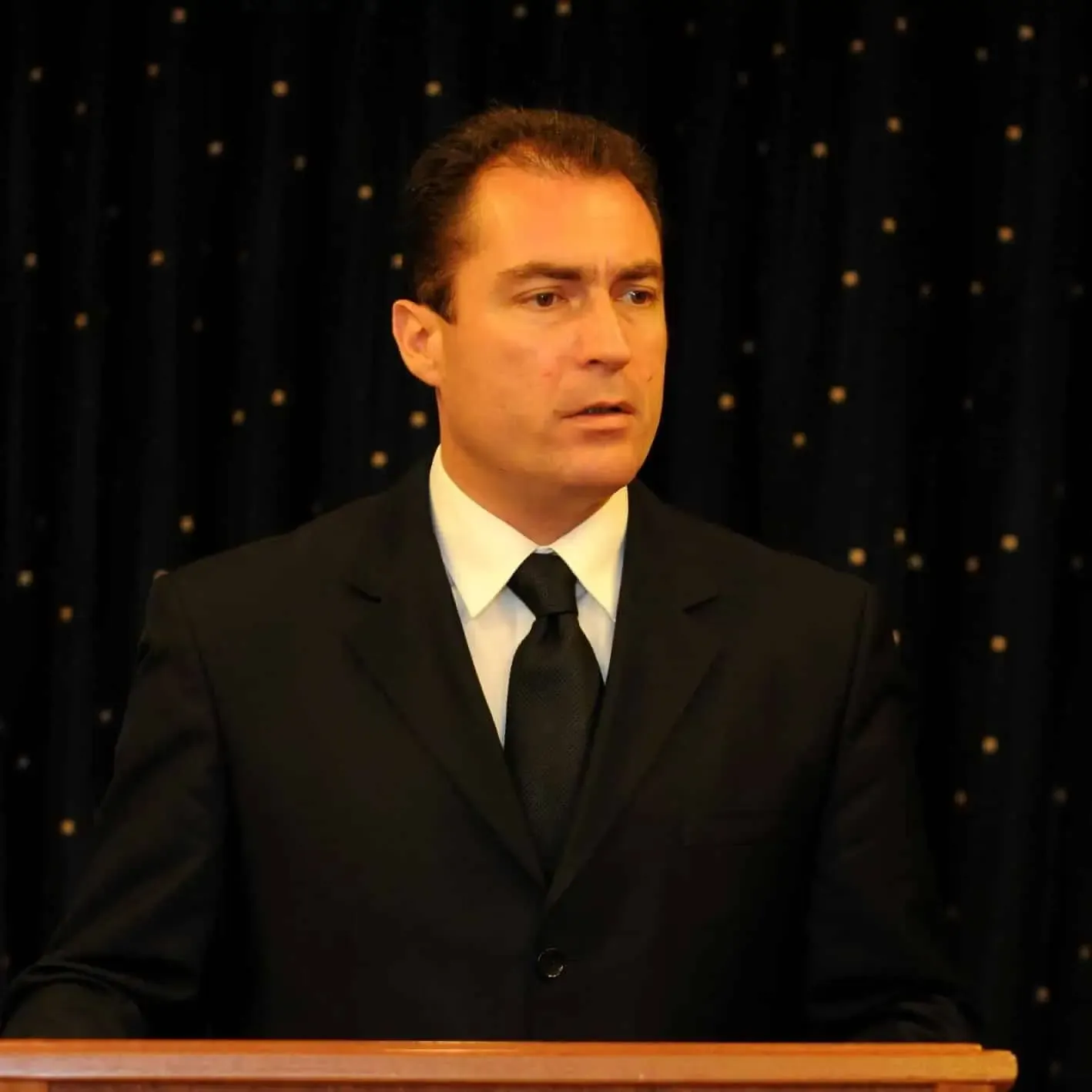
“What I saw after the treatment is something I never saw before. There are no cravings at all. This is amazing. ANR is not only the best treatment for opioid dependency; ANR is the only treatment for opioid dependency.”

“It is a medical procedure that has a firm pharmacological basis. This procedure provides a number of advantages: the patient undergoes the procedure with minimal risk and stress. The fact that patients have successfully completed the procedure without any medical complications or mortality cases proves that this method is safe and efficient.”

“Based on the scientific literature and accumulated experience in Israel and Europe, one may conclude that ANR is a highly efficient method. If carried out in optimal professional conditions, ANR can have a 100% success rate. This method has a significant advantage over other conventional methods: a minimal percentage of dropout cases versus reported 30%-60% (of dropouts with other methods).”

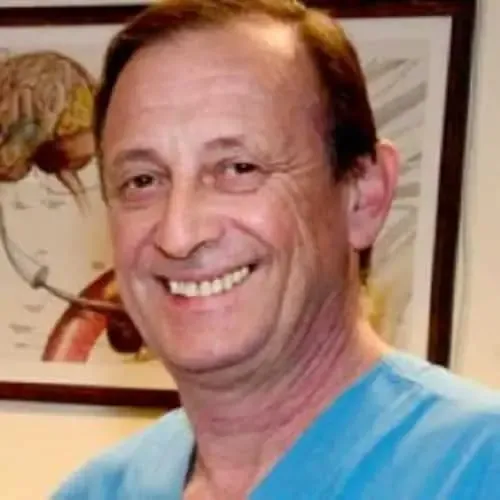
“It is one of the most efficient methods that we know, and we welcome it in Israel. The research conducted in the USA shows that the shorter and less painful the physical withdrawal is, the faster the recovery of the patient.”
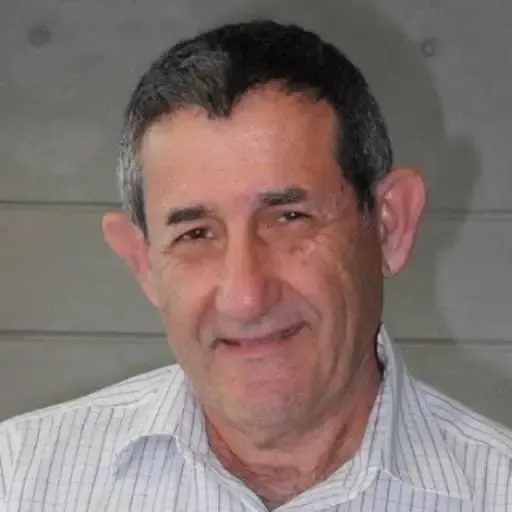
“ANR treatment protocol is an effective and exceptionally safe treatment. It reverses opioid dependency with the use of advanced modern medicine.”
Worldwide Reach
We believe geographic location should never be a barrier to proper medical care. Every ANR center delivers the same clinical standards, safety protocols, and quality of care.
'%20stroke-width='1.08333'%20stroke-linecap='round'%20stroke-linejoin='round'/%3e%3cpath%20id='Vector_2'%20d='M6.5%207.04167C7.39746%207.04167%208.125%206.31413%208.125%205.41667C8.125%204.5192%207.39746%203.79167%206.5%203.79167C5.60254%203.79167%204.875%204.5192%204.875%205.41667C4.875%206.31413%205.60254%207.04167%206.5%207.04167Z'%20stroke='var(--stroke-0,%20%23F58B6E)'%20stroke-width='1.08333'%20stroke-linecap='round'%20stroke-linejoin='round'/%3e%3c/g%3e%3c/svg%3e) USA Brazil Israel Georgia
USA Brazil Israel Georgia 
Common Questions
We understand you have questions. Our team is available for a free, confidential consultation — no obligation.
ANR is a hospital-based medical treatment that targets the underlying biological imbalance caused by long-term opioid use and works to restore the endorphin–opioid receptor system to its pre-dependency state.
Safety is a core part of the ANR process. Because treatment takes place in a fully accredited hospital environment with a specialized medical team, ANR is designed to meet the needs of each patient with a high level of oversight and care. You can read more here.
The ANR opioid addiction treatment costs $21,500. This price includes:
Because insurance companies classify ANR as an elective treatment, it is not currently covered by private insurance, Medicare, or Medicaid. Although the ANR treatment currently isn't covered we offer several financing options to ease your burden.
Yes, we have several financing options available to anyone in need. Read more here.
Our US clinic is located in Arcadia, Florida. We believe geographic location should not be a barrier to proper medical care, therefore you will find ANR locations in several countries around the world. Our clinics in Israel, Georgia, and Brazil are dedicated to providing the same lifesaving ANR treatment to patients worldwide.
If you have any other questions about the ANR treatment or opioid addiction, reach out to us, we'll be happy to help and ease any concerns you may have. Contact us via email or phone, or book a free consultation. We guarantee 100% confidentiality and no obligation to proceed with the treatment.
Take the First Step
Schedule a free, confidential consultation. No obligation. Our team will answer every question and help you understand if ANR is right for you or your loved one.
Schedule Free Consultation'%20stroke-width='1.33333'%20stroke-linecap='round'%20stroke-linejoin='round'/%3e%3cpath%20id='Vector_2'%20d='M8%203.33333L12.6667%208L8%2012.6667'%20stroke='var(--stroke-0,%20white)'%20stroke-width='1.33333'%20stroke-linecap='round'%20stroke-linejoin='round'/%3e%3c/g%3e%3c/svg%3e)
Or Call Us Directly
(813) 750-7470100% Confidential · No Obligation

'%20stroke-width='1.33333'%20stroke-linecap='round'%20stroke-linejoin='round'/%3e%3cpath%20id='Vector_2'%20d='M8%203.33333L12.6667%208L8%2012.6667'%20stroke='var(--stroke-0,%20white)'%20stroke-width='1.33333'%20stroke-linecap='round'%20stroke-linejoin='round'/%3e%3c/g%3e%3c/svg%3e)